What is the capital of Cuba?
The capital of Cuba is Havana.

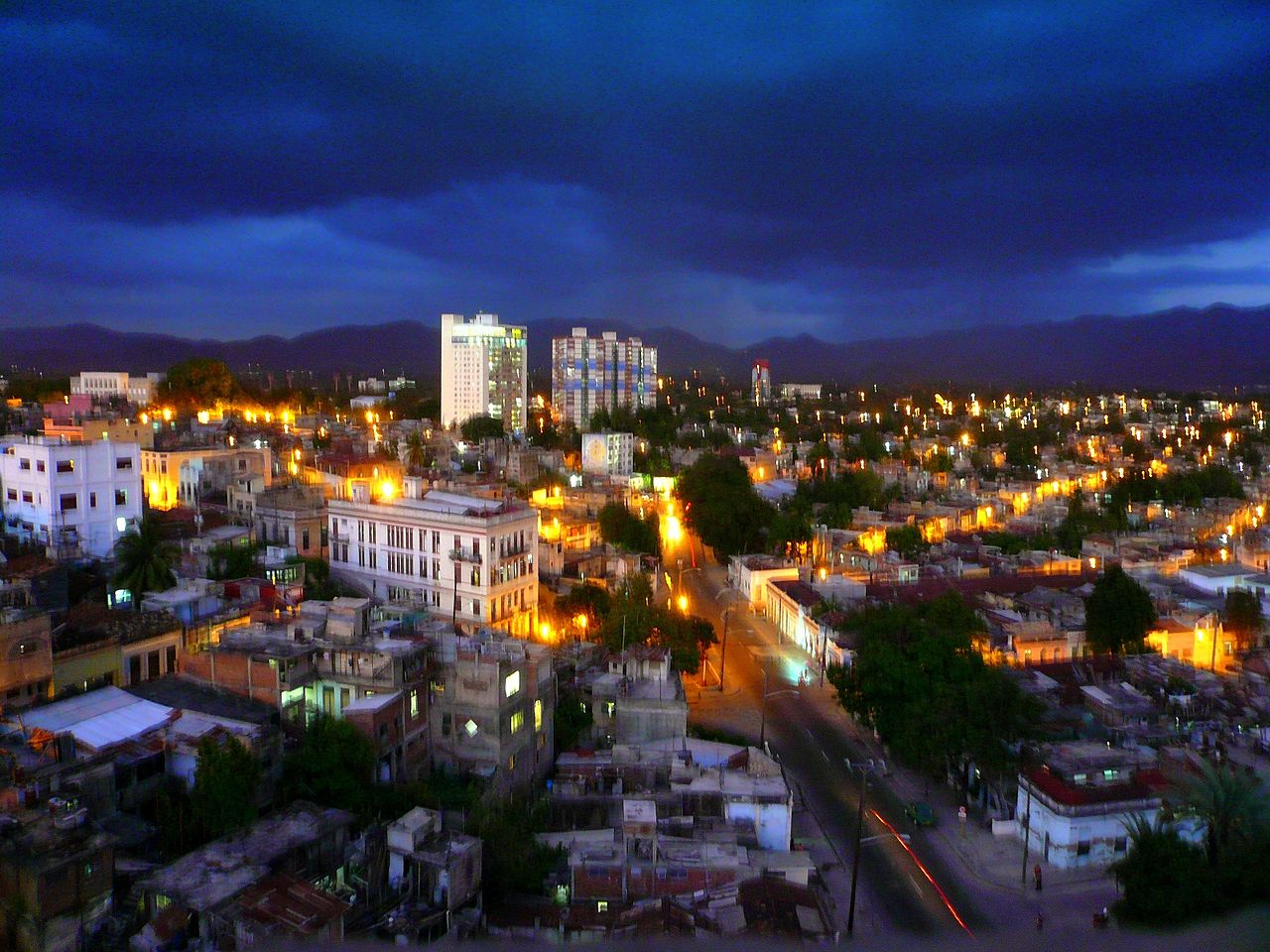
Photo: RenaatPeeters · CC BY-SA 4.0
Cuba is in Caribbean, North America, with Havana as its capital. Use this guide for trip planning — best time, budget ranges, cities and practical tips.
This Cuba travel guide covers the best time to visit, top cities, sample routes, budget ranges and how to travel to Cuba — including visa requirements.
Most first-time trips to Cuba work in 7–10 days: fly into Havana, then move only as far as your energy allows. A practical first loop is Havana → Viñales → Santa Clara → Camagüey → Holguín → Santiago de Cuba. Mid-range travellers typically budget $50–130 per person per day on the ground (flights extra). Best time: Late spring and early autumn for pleasant temperatures. This route, cost band and city shortlist are Global Itinerary’s own planning layer — not a copy of another guidebook.
Capital
Havana
Population
11.3M
Currency
$ · Cuban convertible peso (CUC)
Languages
Spanish
Timezone
America/Havana · UTC-04:00
Calling code
+53
Cuba has a rich history shaped by its position in Americas and the cultures of Caribbean, leaving a legacy visible in its landmarks, cities and traditions today.
Culture in Cuba is expressed through its food, festivals, music and daily rhythms — a warm invitation to experience local life first-hand.
A tourist visa card (visa de tarjeta del turista) is necessary for travelers from most countries. This visa, which is really little more than a piece of paper on which you list your personal information, costs US$15-25 (or €15-25) from most destinations, depending on where purchased. Costs US$50-100 from the US. It can be purchased at the airport in Cuba on arrival, but many airlines will require a valid tourist visa card before you board a flight. It is usually valid for 30 days and can be extended once for another 90 days at any immigration office in Cuba (for ~US$25) - beyond this you would…
If you are planning to head to the U.S. after your visit to Cuba, keep in mind Cuban products cannot be brought into the U.S. due to the embargo, and they will be confiscated by customs if found. This rule applies even if you are just transiting.
Maps
OpenStreetMap still has the best coverage of Cuba. For reliable offline maps, GPS navigation, comprehensive trails and map information, consult OpenStreetMap, which is also used by this travel guide, and by many mobile Apps like OsmAnd (advanced with many add-ons), Mapy.cz, Organic Maps (fast and easy to use by the original developers who left Maps.me after new ownership degraded the app), or use OpenAndroMaps for South and Middle America with apps like Oruxmaps or Locus.
Spanish is Cuba’s official language. The local dialect shares similarities with those of the Dominican Republic, Puerto Rico, and Spain’s Canary Islands (a nod to Cuba’s historic Canarian immigrant heritage). It differs notably from mainland Spanish and Latin American variants like Mexican or Argentine Spanish. Key linguistic quirks:
Cuba is a very safe country, mainly because the Cuban government severely punishes crime. Strict and prominent policing, combined with neighborhood-watch-style programs (known as the Committee for the Defense of the Revolution, or CDR) generally keep the streets safe from violent crime.
]] Cuba is considered very healthy except for the water; even many Cubans boil their water. That said, some travelers drink untreated water without ill effect. The best solution is bottled water and lots of it, especially for visitors who are not used to the temperatures over 30°C/85°F. Bottled water (agua de botella) is easily found and costs between ~US$0.65-2 for a 1.5-L bottle, depending on the shop. The mineral count (total dissolved solids) of bottled water is quite high compared to elsewhere in the world, so if you are planning to visit Cuba for an extended period of time (e.g. as a stu…
Cuba is, by design, one of the most expensive and difficult places in which to communicate. The Internet is characterised by a low number of connections, limited bandwidth, censorship, and high cost. Ordinary Cubans had access to Internet from home by 2017 and by 3G wireless by 2018, but the cost remains prohibitive for many (US$7-30/month for 600MB-4GB of mobile data, when most Cubans earn US$30-50/month).
Compared to other countries in Latin America, Cubans tend to be straightforward and have a preference for getting to the point. This said, Cubans generally take measures to be polite and courteous in conversations.
Practical guidance for Cuba is summarised from Wikivoyage (CC BY-SA). Always confirm official visa, health and safety requirements before you travel.
Ride-hailing apps aren't widely available here.
No ride apps — use official yellow Cubataxi, classic-car colectivos, or agree a fare first.
ETECSA (Cubacel)
The only operator; tourist SIMs are pricey and data is slow. An eSIM may not work — check coverage.
Connectivity in Cuba is limited and state-controlled; download offline maps before you arrive.
Prices and app coverage change often — figures are indicative for 2026, so confirm the current tourist plan in the app or at the airport kiosk.
A suggested loop connecting Cuba's major cities by proximity — a practical order for a multi-city trip.

Cuba

Cuba
Explore Havana

Cuba

Cuba

Cuba
Cuba

Cuba
10 cities — grouped A–Z so you can scan without loading every photo.
Photos: RenaatPeeters, Alex Cano, No machine-readable author provided. Danleo~commonswiki assumed (based on copyright claims)., Irám René GD, Gradski — via Wikimedia Commons
Typical mid-range for Cuba
Estimated total (USD)
$2,145
≈ $1,073 per person · $306 per day group total
Ground costs ≈ $90/person/day (lodging + food + transport + activities)
Defaults match Cuba's mid-range daily budget ($50–130 per person on the ground). Flights are a separate estimate and vary by origin.
The capital of Cuba is Havana.
Late spring and early autumn for pleasant temperatures.
Yes — travellers visit Cuba for its landscapes, cities and culture. Start with Havana, then explore the top regions on this Cuba travel guide for a realistic itinerary.
Visa rules for Cuba depend on your passport — use the visa checker on this site for a nationality-specific answer. Use our Cuba visa checker for rules by nationality before you book flights.
Budget roughly $50–130 per person per day for mid-range travel in Cuba, not including long-haul flights. Costs vary by season and how much you move between cities.
Check current travel advice for Cuba before you go.


