


What is the capital of El Salvador?
The capital of El Salvador is San Salvador.
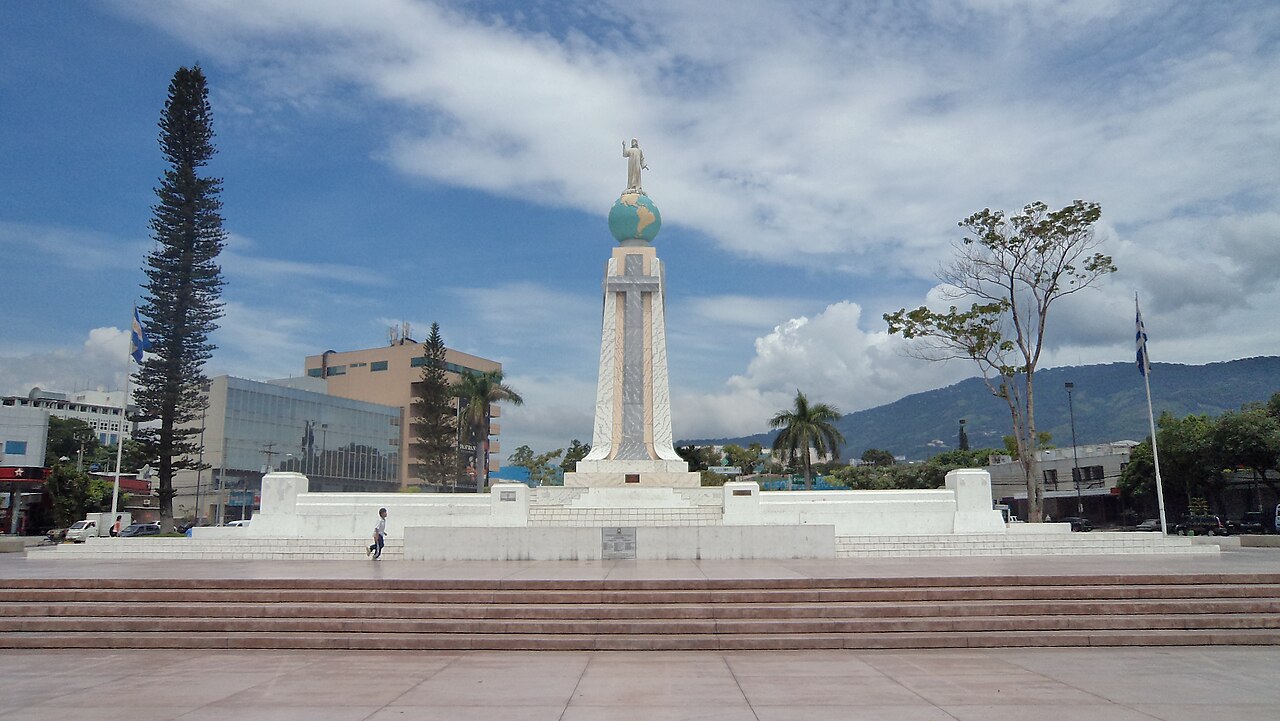
Visit El Salvador — practical travel planning
Photo: Frankjh · CC BY-SA 3.0
El Salvador is in Central America, North America, with San Salvador as its capital. Use this guide for trip planning — best time, budget ranges, cities and practical tips.
This El Salvador travel guide covers the best time to visit, top cities, sample routes, budget ranges and how to travel to El Salvador — including visa requirements.
Most first-time trips to El Salvador work in 7–10 days: fly into San Salvador, then move only as far as your energy allows. A practical first loop is San Salvador → Mejicanos → Soyapango → Santa Tecla → Santa Ana → San Miguel. Mid-range travellers typically budget $35–90 per person per day on the ground (flights extra). Best time: Late spring and early autumn for pleasant temperatures. This route, cost band and city shortlist are Global Itinerary’s own planning layer — not a copy of another guidebook.
Capital
San Salvador
Population
6.4M
Currency
$ · United States dollar (USD)
Languages
Spanish
Timezone
America/El Salvador · UTC-06:00
Calling code
+503
El Salvador has a rich history shaped by its position in Americas and the cultures of Central America, leaving a legacy visible in its landmarks, cities and traditions today.
Culture in El Salvador is expressed through its food, festivals, music and daily rhythms — a warm invitation to experience local life first-hand.
Immigration requires that visitors entering El Salvador have their passport and one of the following documents: visa or tourist card. For citizens that do not need a visa, you may need to pay USD 12 (by cash, card, or bitcoin) right after disembarking at the airport.
El Salvador's official currencies are the U.S. dollar, denoted by the symbol "$" (ISO currency code: USD) and Bitcoin. Carry only $1, $5, $10 or $20 bills. Most stores, supermarkets and department stores won't accept $50 or $100 bills. If you need to exchange to lower denominations, you can go to any bank. ($1 coins issued in El Salvador cannot be used in the United States.)
By train
All rail transport in El Salvador was suspended in October 2002. In 2006 a pilot scheme for reviving the rail network commenced and in 2007 a service between San Salvador and Apopa was restarted with two return trips each morning and evening aimed at commuter traffic. Whilst this will be of little use to travellers, it may be a sign of a future reopening of more of the extensive rail network.
Spanish is the official language, though many people also speak English. In some small towns in the west, about 500 elders speak Pipil, also called Nahuat or Nawat and related to the Nahuatl language of Mexico.
]] El Salvador has a bad reputation due to the civil war of the 1980s. Crime has historically been an issue just as in neighboring Honduras and Guatemala, with most of it attributed to street gangs. Since 2019, there has been a change in combatting crime and gang activity making El Salvador have one of the lowest crime rates in the world. The government is combatting the gangs with a tactic called "Super Mano Dura" which means "Super Strong Hand" and this has had an effect with homicide rates declining from 103 per 100,000 in 2015 to just 2.3 per 100,000 in 2023. This tactic includes a “State…
If you are not accustomed to food sold by street vendors, you might want to stay away from food sold on the streets until you acclimatize. If you want to try a pupusa, you should try to find a restaurant to taste this popular dish rather than buying them from street vendors. Street food that you see cooked can sometimes be safer than restaurant food that you do not see cooked.
The international country code for El Salvador is 503.
Salvadorans are known for their great hospitality. They are among the nicest people in the world. They are friendly, industrious people always willing to help anyone. That is what has earned El Salvador the nickname of "the country with a smile". When speaking with people you don't know, it is customary to address them in a formal manner, using señor, señora and/or usted.
Practical guidance for El Salvador is summarised from Wikivoyage (CC BY-SA). Always confirm official visa, health and safety requirements before you travel.
App-based cars with upfront fares — usually the cheapest metered ride in big cities.
Uber's main US/Canada rival — compare both for the lowest fare.
Ride-hailing coverage varies here — check whether these apps are live in your city before relying on them.
Local prepaid SIM
Buy a tourist SIM from an official operator kiosk at the airport (bring your passport) — usually the cheapest data.
eSIM (Airalo / Holafly) lets you get online the moment you land — handy if you don't want to queue for a SIM.
Prices and app coverage change often — figures are indicative for 2026, so confirm the current tourist plan in the app or at the airport kiosk.
A suggested loop connecting El Salvador's major cities by proximity — a practical order for a multi-city trip.
Photos: Frankjh, Ll1324, BelenM, Tomás Povedano, otrarove — via Wikimedia Commons
Typical mid-range for El Salvador
Estimated total (USD)
$1,900
≈ $950 per person · $271 per day group total
Ground costs ≈ $65/person/day (lodging + food + transport + activities)
Defaults match El Salvador's mid-range daily budget ($35–90 per person on the ground). Flights are a separate estimate and vary by origin.
The capital of El Salvador is San Salvador.
Late spring and early autumn for pleasant temperatures.
Yes — travellers visit El Salvador for its landscapes, cities and culture. Start with San Salvador, then explore the top regions on this El Salvador travel guide for a realistic itinerary.
Visa rules for El Salvador depend on your passport — use the visa checker on this site for a nationality-specific answer. Use our El Salvador visa checker for rules by nationality before you book flights.
Budget roughly $35–90 per person per day for mid-range travel in El Salvador, not including long-haul flights. Costs vary by season and how much you move between cities.
Check current travel advice for El Salvador before you go.


