What is the capital of South Korea?
The capital of South Korea is Seoul.

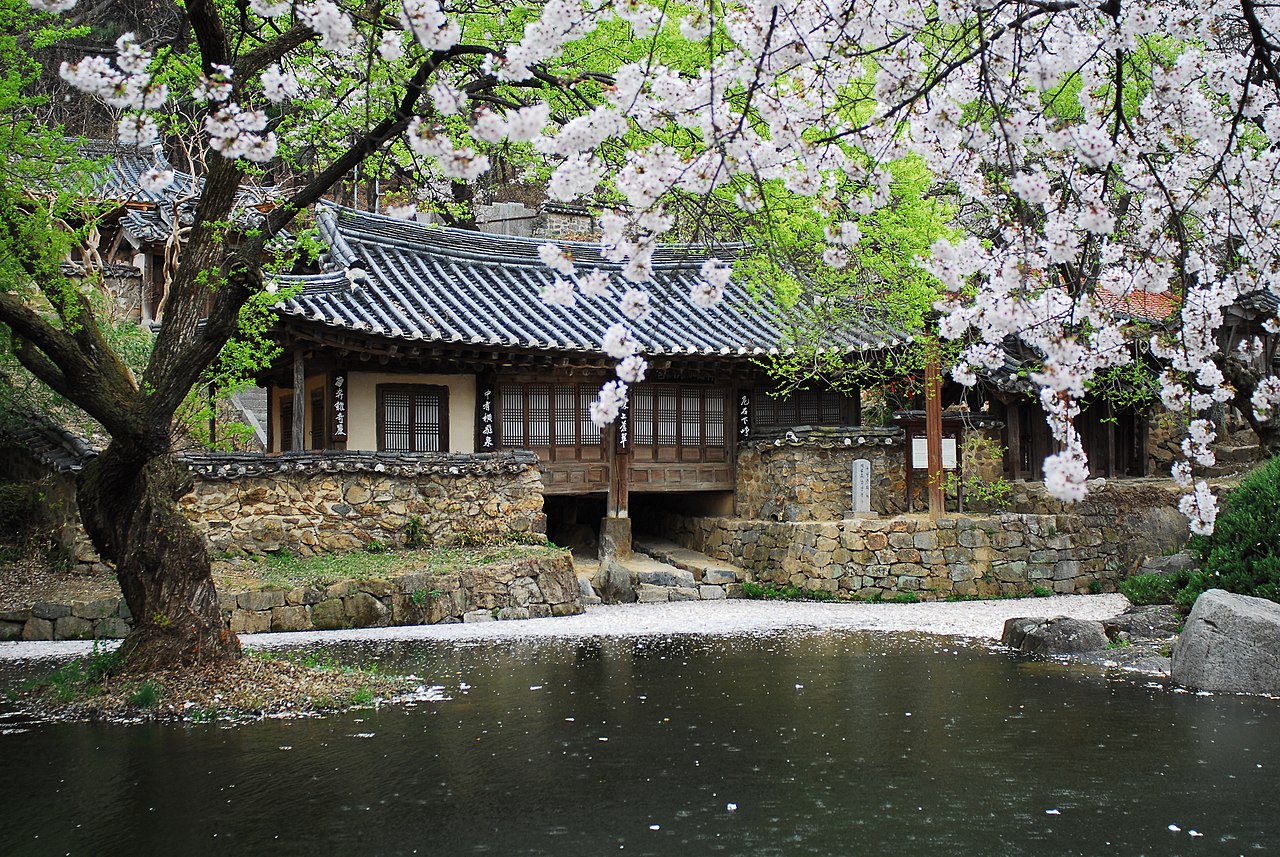
Photo: Eunmi Park · CC BY-SA 4.0
South Korea is in Eastern Asia, Asia, with Seoul as its capital. Use this guide for trip planning — best time, budget ranges, cities and practical tips.
This South Korea travel guide covers the best time to visit, top cities, sample routes, budget ranges and how to travel to South Korea — including visa requirements.
Most first-time trips to South Korea work in 10–14 days: fly into Seoul, then move only as far as your energy allows. A practical first loop is Seoul → Incheon → Suwon → Icheon → Yeoju → Yangpyeong. Mid-range travellers typically budget $80–180 per person per day on the ground (flights extra). Best time: November–March for cooler, drier conditions in most regions. This route, cost band and city shortlist are Global Itinerary’s own planning layer — not a copy of another guidebook.
Capital
Seoul
Population
51.6M
Currency
₩ · South Korean won (KRW)
Languages
Korean
Timezone
Asia/Seoul · UTC+09:00
Calling code
+82
South Korea has a rich history shaped by its position in Asia and the cultures of Eastern Asia, leaving a legacy visible in its landmarks, cities and traditions today.
Culture in South Korea is expressed through its food, festivals, music and daily rhythms — a warm invitation to experience local life first-hand.
November–March for cooler, drier conditions in most regions
Nationals of 112 countries and territories can enter South Korea without a visa. While these visa-free nationals are supposed to apply for a Korea Electronic Travel Authorization (K-ETA), 67 of these countries including EU, US, UK, Australia etc have been "temporarily" exempted until December 2026. To find out if you're exempted, try to apply for a K-ETA, and you'll get a popup informing you if you are.
The currency of South Korea is the South Korean won, denoted by ₩ (ISO code: KRW) and written 원 (won) in the Korean language. Bills come in denominations of ₩1,000 (blue), ₩5,000 (red), ₩10,000 (green) and ₩50,000 (yellow). The ₩50,000 is very practical if you need to carry around a reasonable amount of cash, however it can be hard to use on goods or services with a value of less than ₩10,000. The ₩50,000 can be hard to find and often only provided by ATM's that display a picture of the yellow note on the outside.
South Korea is fairly compact, and you can get almost anywhere very fast by train. The exception to this is Jeju; the Seoul-Jeju route being the busiest air route in the world. Subways are present in six cities, including metropolitan Seoul. Travel by bus or taxi is readily available, although bus services are far more economical.
South Koreans speak Korean, and knowing a few words of this will come in very handy. The language is rather drastically different from any Western language in its grammar, and pronunciation is rather difficult for the English speaker to get right (though not tonal). Depending on which part of the country you go to, different dialects are spoken, though standard Korean, which is based on the Seoul dialect, is understood and spoken by almost everyone. Most notably among the dialects, the Gyeongsan…
Crime
South Korea is a very safe country, with crime rates much lower than in the U.S. and most European Union countries. Crime rates are comparable to other safe places such as Japan, Singapore and Hong Kong, and it is generally safe for women to walk around the streets alone at night. For the most part, the only foreigners who encounter trouble in South Korea are drunken ones that provoke fights at bars or nightclubs.
South Korean healthcare is known for its excellence in both research and clinical medicine, and most towns will be able to offer a high quality of healthcare. The sheer number of hospitals and specialized clinics in the country will also offer you a greater amount of choice. Healthcare is subsidized by the government and is relatively cheap compared to most western countries. Expatriate workers who have the required medical insurance card will experience further discounts. South Korea also promotes medical tourism where quality operations can be had for a fraction of the price of many other de…
By phone
For calls to South Korea, the country code is +82. International dialing prefixes in South Korea vary by operator. Google Maps navigation does not work well here. Use Naver Map or KakaoMap for accurate walking and driving directions.
Coming from a land of strict Confucian hierarchy and etiquette, Koreans are regarded as reserved and well-mannered. As a visitor, you will not be expected to know every nuance, but making an effort will certainly be appreciated. The further you are away from metropolitan areas the more conservative the people are. Nevertheless, most South Koreans are welcoming towards foreign tourists, and as long as you show a modicum of respect towards their culture, will do their best to make your visit a pleasant one. American visitors can expect a particularly warm welcome, as most South Koreans admire Am…
Practical guidance for South Korea is summarised from Wikivoyage (CC BY-SA). Always confirm official visa, health and safety requirements before you travel.
The standard way to call a taxi in South Korea (English supported).
App-based cars with upfront fares — usually the cheapest metered ride in big cities.
Kakao T is standard; the subway + T-money card is the cheapest way around.
SK / KT / LG U+ tourist SIMs
Buy unlimited-data tourist SIMs at Incheon airport.
eSIM (Airalo / Holafly) lets you get online the moment you land — handy if you don't want to queue for a SIM.
Prices and app coverage change often — figures are indicative for 2026, so confirm the current tourist plan in the app or at the airport kiosk.
A suggested loop connecting South Korea's major cities by proximity — a practical order for a multi-city trip.
.jpg?width=1920)
South Korea

South Korea

South Korea

Explore Busan

South Korea

South Korea
South Korea

South Korea
47 cities — grouped A–Z so you can scan without loading every photo.
Photos: Eunmi Park, Glabb, Jaehyuk Lee, 대구광역시, Jo — via Wikimedia Commons
Typical mid-range for South Korea
Estimated total (USD)
$2,565
≈ $1,283 per person · $366 per day group total
Ground costs ≈ $130/person/day (lodging + food + transport + activities)
Defaults match South Korea's mid-range daily budget ($80–180 per person on the ground). Flights are a separate estimate and vary by origin.
The capital of South Korea is Seoul.
November–March for cooler, drier conditions in most regions.
Yes — travellers visit South Korea for its landscapes, cities and culture. Start with Seoul, then explore the top regions on this South Korea travel guide for a realistic itinerary.
Visa rules for South Korea depend on your passport — use the visa checker on this site for a nationality-specific answer. Use our South Korea visa checker for rules by nationality before you book flights.
Budget roughly $80–180 per person per day for mid-range travel in South Korea, not including long-haul flights. Costs vary by season and how much you move between cities.
Check current travel advice for South Korea before you go.


