
_19.jpg?width=1920)
.jpg?width=1920)

What is the capital of North Macedonia?
The capital of North Macedonia is Skopje.

Visit North Macedonia — practical travel planning
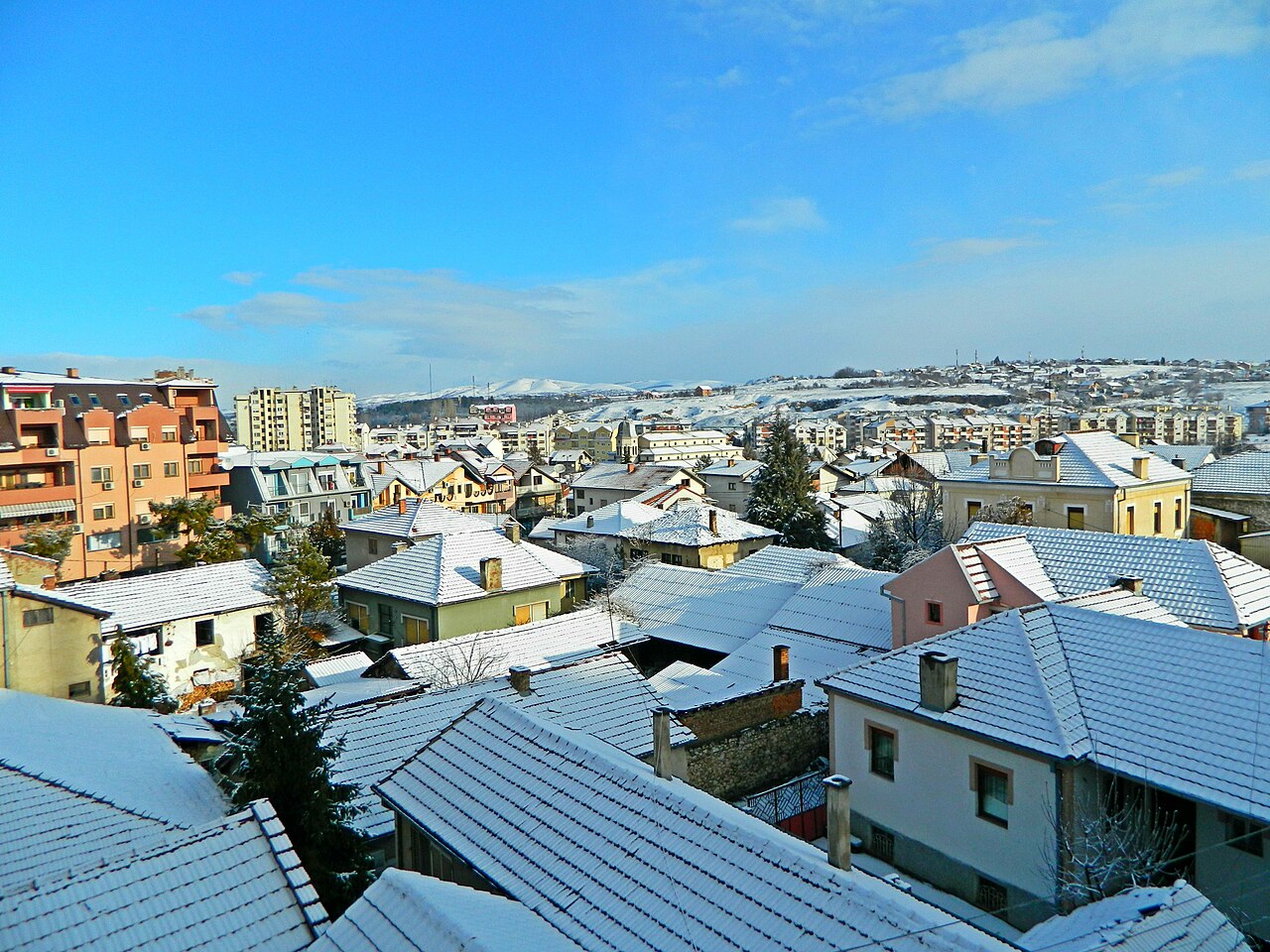
Photo: kallerna · CC BY-SA 4.0
North Macedonia is in Southeast Europe, Europe, with Skopje as its capital. Use this guide for trip planning — best time, budget ranges, cities and practical tips.
This North Macedonia travel guide covers the best time to visit, top cities, sample routes, budget ranges and how to travel to North Macedonia — including visa requirements.
Most first-time trips to North Macedonia work in 7–10 days: fly into Skopje, then move only as far as your energy allows. A practical first loop is Skopje → Čair → Kumanovo → Tetovo → Prilep → Bitola. Mid-range travellers typically budget $35–90 per person per day on the ground (flights extra). Best time: May–June & September–October for mild weather and thinner crowds. This route, cost band and city shortlist are Global Itinerary’s own planning layer — not a copy of another guidebook.
Capital
Skopje
Population
2.1M
Currency
MKD · denar (MKD)
Languages
Macedonian
Timezone
Europe/Skopje · UTC+02:00
Calling code
+389
North Macedonia has a rich history shaped by its position in Europe and the cultures of Southeast Europe, leaving a legacy visible in its landmarks, cities and traditions today.
Culture in North Macedonia is expressed through its food, festivals, music and daily rhythms — a warm invitation to experience local life first-hand.
May–June & September–October for mild weather and thinner crowds
Entry requirements
Citizens of the European Union and of the countries signatories to the Schengen Agreement can enter with just a valid officially issued ID card or a passport. Visas are not required by nationals from the following countries:
The official currency of North Macedonia is the denar (plural denari), denoted by the abbreviation "ден" (den) (international code: MKD). This travel guide uses just denar, e.g. 100 denar. Many Macedonians quote prices in euro (€). The new denar replaced the old denar in 1993 at a rate of 100:1.
By car
In this mountainous developing country, the roads are often narrow and not very well maintained, with warning signs for the quite frequent sharp turns rarely provided, and the safety barriers between your tires and high cliffs often rusty, or sometimes completely absent. In the north, there is a short network of motorways with separated directions and a posted speed limit of 120 km/h, linking Skopje with Tetovo and Gostivar in the west, and with the Alexander the Great Airport and Kumanovo in the east, but the surface quality is hardly better than the rest of the roads. The toll c…
Macedonian is the official and national language, and is spoken in various dialects across each corner of the country. Macedonian is a Slavic language, and so speakers of closely-related Bulgarian and Serbo-Croatian should have no problem getting by. Albanian is co-official at the national level, and is widely used in the north and west of the country. Turkish, Serbo-Croatian, Romani (Gypsy), and Aromanian are spoken by smaller ethnic minorities. Šuto Orizari (better known as Shutka), a northern…
North Macedonia is a safe country. Driving is not ill-advised, but it's recommended for foreigners to try to use taxis and public transport wherever possible. As in all countries, keep an eye out for pickpockets and all valuables safe. Hotels and most private accommodation will offer a safe to store valuables and cash in.
Water is safe to drink and there are public drinking water fountains in most public places. It is advisable to wash all fruit and vegetables. Use caution when eating red meat at restaurants. Although Macedonian cuisine typically revolves around grills ("skara") there are some restaurants that do not use proper or clean methods of cooking, which if practised in many Western countries would be seen as a violation of certain health regulations. Bad restaurants can be spotted easily; they will probably not look very appealing and will not have many customers. However, the vast majority of restaura…
Domestic phones
Domestic telephone service is available in all inhabited towns, via VoIP only. In fact, North Macedonia was the first country in Europe to go fully VoIP, back in 2014. There is an affordable fixed phone service (wireless and easy to install) from the mobile operator ONE , available prepaid (without a monthly fee, 12 months availability without recharge, recharging for only 500 denar/€8) and postpaid.
It is advisable to simply refer to the country as "Macedonia". The "north" part of the name, added in 2019 to resolve a naming dispute with Greece, has not made it into everyday use among Macedonians and may never do so. Many, in fact, consider it offensive. Macedonia is directly transliterated from the Cyrillic as Makedonija, and is pronounced roughly how it would appear to an English speaker: "mahk-eh-DOHN-ee-yah".
Practical guidance for North Macedonia is summarised from Wikivoyage (CC BY-SA). Always confirm official visa, health and safety requirements before you travel.
Estonian rival to Uber, typically 10–20% cheaper; also e-scooters and bikes.
App-based cars with upfront fares — usually the cheapest metered ride in big cities.
Hail licensed local taxis from one app across Western Europe.
Ride-hailing coverage varies here — check whether these apps are live in your city before relying on them.
Local prepaid SIM
Buy a tourist SIM from an official operator kiosk at the airport (bring your passport) — usually the cheapest data.
eSIM (Airalo / Holafly) lets you get online the moment you land — handy if you don't want to queue for a SIM.
Prices and app coverage change often — figures are indicative for 2026, so confirm the current tourist plan in the app or at the airport kiosk.
A suggested loop connecting North Macedonia's major cities by proximity — a practical order for a multi-city trip.
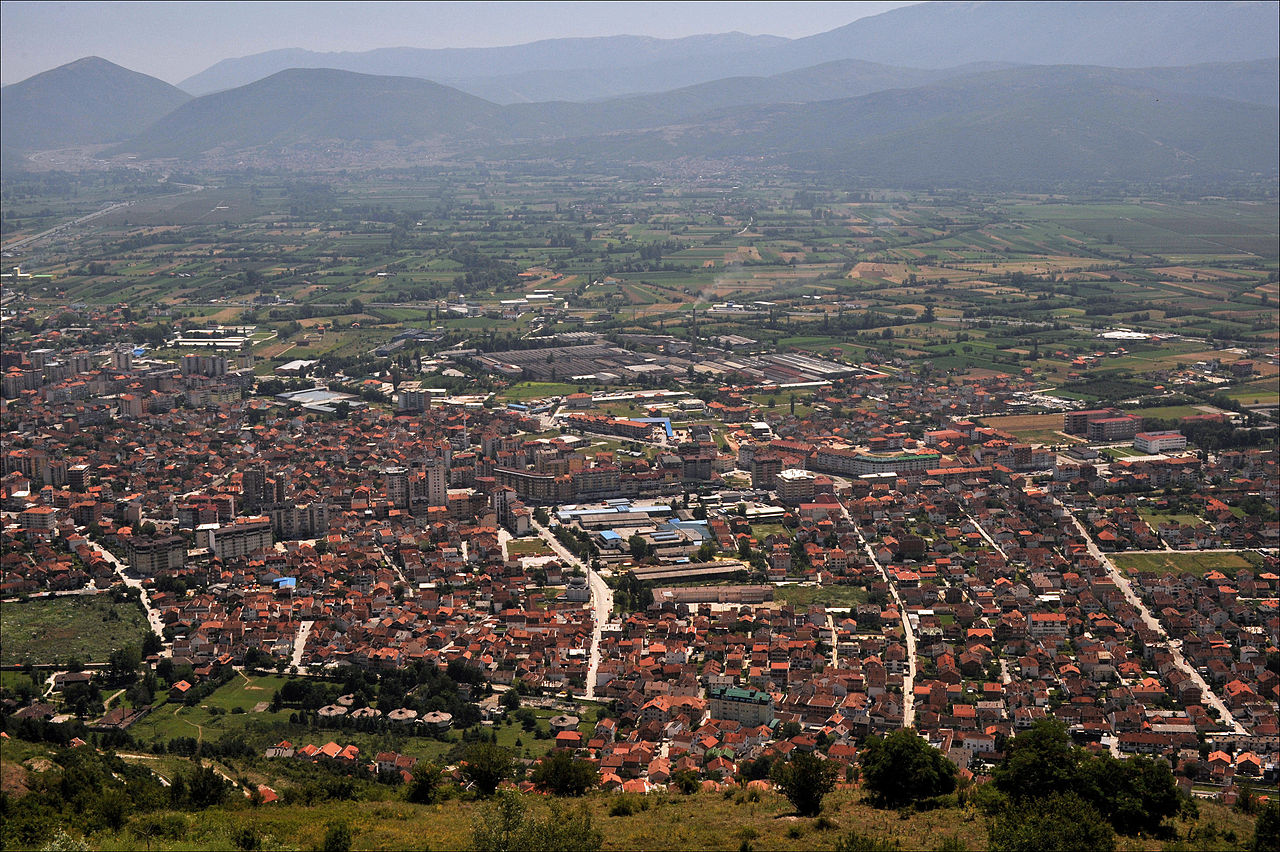
Photos: kallerna, Сања Малохоџиќ, Tomica, Tommyy882, Ggia — via Wikimedia Commons
Typical mid-range for North Macedonia
Estimated total (USD)
$1,900
≈ $950 per person · $271 per day group total
Ground costs ≈ $65/person/day (lodging + food + transport + activities)
Defaults match North Macedonia's mid-range daily budget ($35–90 per person on the ground). Flights are a separate estimate and vary by origin.
The capital of North Macedonia is Skopje.
May–June & September–October for mild weather and thinner crowds.
Yes — travellers visit North Macedonia for its landscapes, cities and culture. Start with Skopje, then explore the top regions on this North Macedonia travel guide for a realistic itinerary.
Visa rules for North Macedonia depend on your passport — use the visa checker on this site for a nationality-specific answer. Use our North Macedonia visa checker for rules by nationality before you book flights.
Budget roughly $35–90 per person per day for mid-range travel in North Macedonia, not including long-haul flights. Costs vary by season and how much you move between cities.
Check current travel advice for North Macedonia before you go.


