


.jpg?width=1920)

What is the capital of Slovenia?
The capital of Slovenia is Ljubljana.

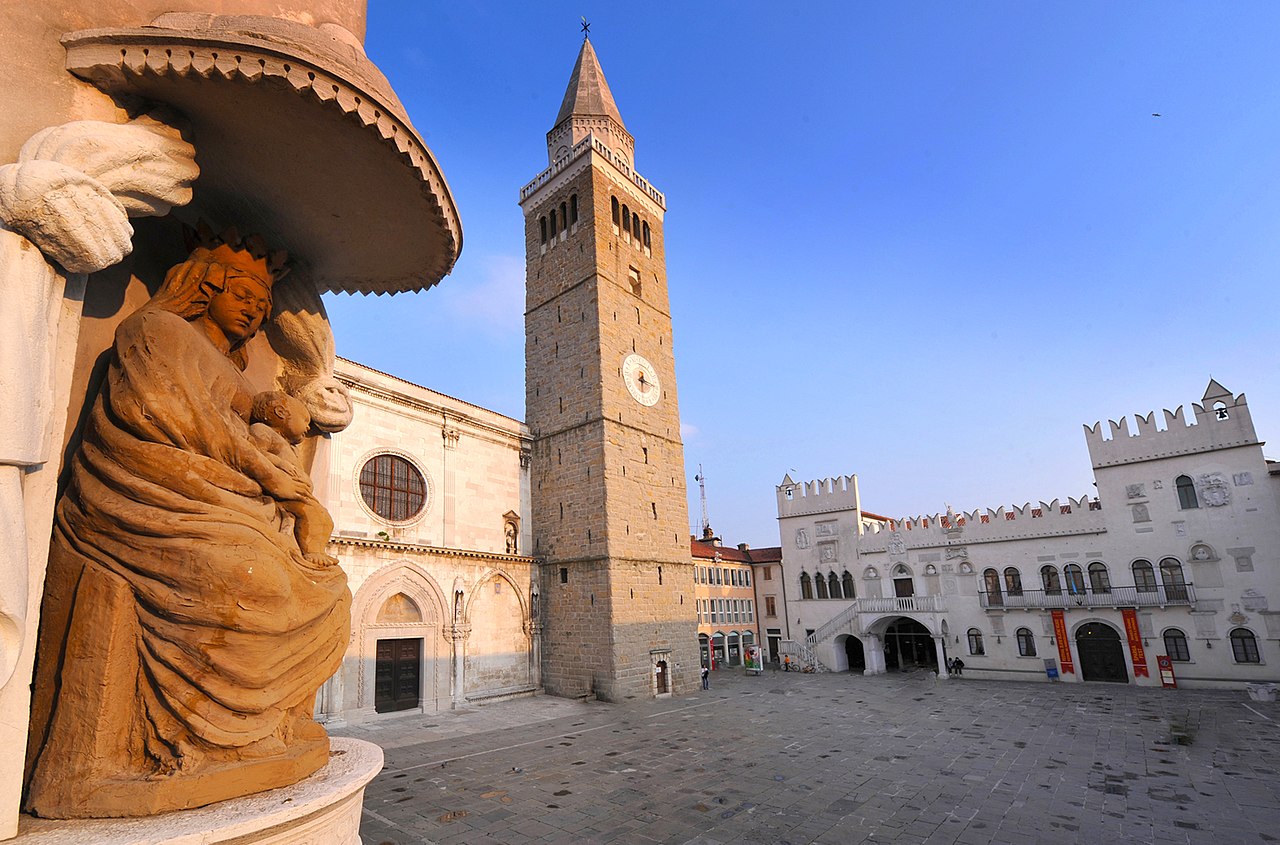
Photo: Andrew Milligan Sumo · CC BY 2.0
Slovenia is in Central Europe, Europe, with Ljubljana as its capital. Use this guide for trip planning — best time, budget ranges, cities and practical tips.
This Slovenia travel guide covers the best time to visit, top cities, sample routes, budget ranges and how to travel to Slovenia — including visa requirements.
Most first-time trips to Slovenia work in 10–14 days: fly into Ljubljana, then move only as far as your energy allows. A practical first loop is Ljubljana → Škofja Loka → Kranj → Kamnik → Bled → Bohinj. Mid-range travellers typically budget $70–150 per person per day on the ground (flights extra). Best time: May–June & September–October for mild weather and thinner crowds. This route, cost band and city shortlist are Global Itinerary’s own planning layer — not a copy of another guidebook.
Capital
Ljubljana
Population
2.1M
Currency
€ · Euro (EUR)
Languages
Slovene
Timezone
Europe/Ljubljana · UTC+02:00
Calling code
+386
Slovenia has a rich history shaped by its position in Europe and the cultures of Central Europe, leaving a legacy visible in its landmarks, cities and traditions today.
Culture in Slovenia is expressed through its food, festivals, music and daily rhythms — a warm invitation to experience local life first-hand.
May–June & September–October for mild weather and thinner crowds
The Ljubljana Bus Station (Avtobusna Postaja Ljubljana) provides composite information about international and airport bus services. Connections between the Italian city of Trieste and nearby Koper and Piran are frequent on weekdays. There's also a daily bus between Trieste and Ljubljana. In addition, services between Gorizia (Italy) and its twin town of Nova Gorica (Slovenia) are at least hourly throughout the day although the journey is easily walkable. This offers an ideal connection between the Italian and Slovene railway networks or an alternative entry point from Trieste's Ronchi Airport…
The euro replaced the Slovenian tolar (SIT).
ATMs
ATMs are available countrywide, and it is generally good to have a card from providers like Visa or MasterCard. In smaller towns or villages ATMs become more sparse.
Slovenia is a relatively small country and getting around is generally quick and painless. However, the explosive growth in car ownership has meant tougher times for public transport, and bus schedules in particular have been slashed, so some planning ahead is required. Services are sparse on Saturdays and very limited indeed on Sundays. A handy online planning tool for intercity public transportation is www.simo.si .
Slovenian, the national language, is spoken as the mother tongue by 91% of the population, but there are also small Italian (concentrated on the Primorska coast) and somewhat bigger Hungarian (in Prekmurje to the northeast) minorities. Historically, and prior to the end of World War II there was also a significant German speaking minority. Conversely, Slovenian is spoken in border regions of neighbouring countries.
Slovenia is one of the safest countries you can visit, but be aware of your surroundings in parts of Ljubljana. The nationwide emergency number is 112. To call police, dial 113. There are emergency telephones interspersed along the main motorways. You can find the closest SOS-phone by the arrows on the reflection posts.
There are no unusual health concerns in Slovenia. Hygiene standards are high and tap water is potable. While in nature, always use tick repellents, due to the Borreliosis and Meningitis danger. Borreliosis is very widespread in the country.
Telephone
The international calling code for Slovenia is 386, and the prefix for international calls is 00; the area code prefix is 0. Some number blocks are reserved for special use: 080 are toll-free numbers and 090 are commercial services, which are usually expensive.
Slovenians are generally open and friendly, so don't hesitate to address people as those younger than 50 understand English and will be eager to help you. You will impress them if you try using some basic Slovenian words. Slovenian is rarely spoken by foreigners, so your effort will be appreciated and rewarded.
Practical guidance for Slovenia is summarised from Wikivoyage (CC BY-SA). Always confirm official visa, health and safety requirements before you travel.
Estonian rival to Uber, typically 10–20% cheaper; also e-scooters and bikes.
App-based cars with upfront fares — usually the cheapest metered ride in big cities.
Hail licensed local taxis from one app across Western Europe.
Ride-hailing coverage varies here — check whether these apps are live in your city before relying on them.
Local prepaid SIM
Buy a tourist SIM from an official operator kiosk at the airport (bring your passport) — usually the cheapest data.
eSIM (Airalo / Holafly) lets you get online the moment you land — handy if you don't want to queue for a SIM.
Prices and app coverage change often — figures are indicative for 2026, so confirm the current tourist plan in the app or at the airport kiosk.
A suggested loop connecting Slovenia's major cities by proximity — a practical order for a multi-city trip.
Photos: Andrew Milligan Sumo, Vlada Republike Slovenije, Reisevogel, Andraž Muljavec, Fotomorgana, TICKoper, gov.si — via Wikimedia Commons
Typical mid-range for Slovenia
Estimated total (USD)
$2,355
≈ $1,178 per person · $336 per day group total
Ground costs ≈ $110/person/day (lodging + food + transport + activities)
Defaults match Slovenia's mid-range daily budget ($70–150 per person on the ground). Flights are a separate estimate and vary by origin.
The capital of Slovenia is Ljubljana.
May–June & September–October for mild weather and thinner crowds.
Yes — travellers visit Slovenia for its landscapes, cities and culture. Start with Ljubljana, then explore the top regions on this Slovenia travel guide for a realistic itinerary.
Visa rules for Slovenia depend on your passport — use the visa checker on this site for a nationality-specific answer. Use our Slovenia visa checker for rules by nationality before you book flights.
Budget roughly $70–150 per person per day for mid-range travel in Slovenia, not including long-haul flights. Costs vary by season and how much you move between cities.
Check current travel advice for Slovenia before you go.


