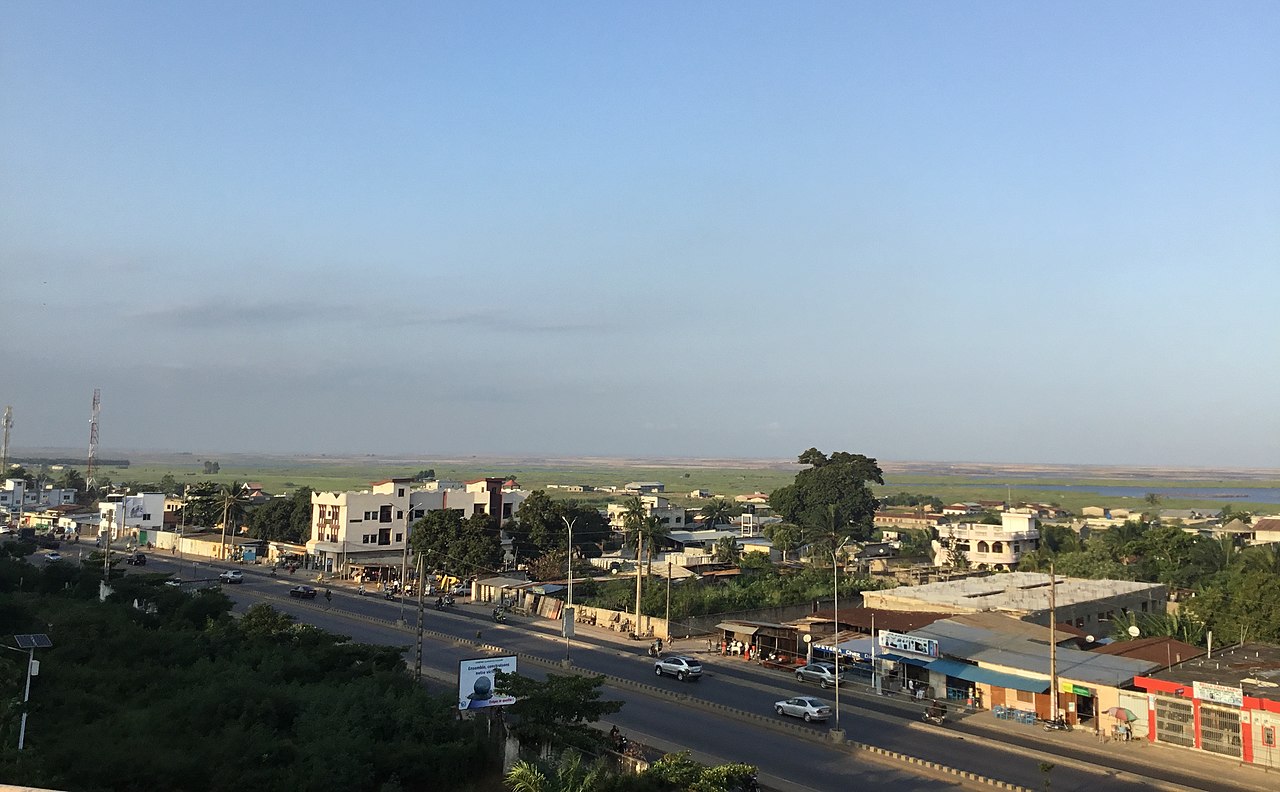


What is the capital of Benin?
The capital of Benin is Porto-Novo.
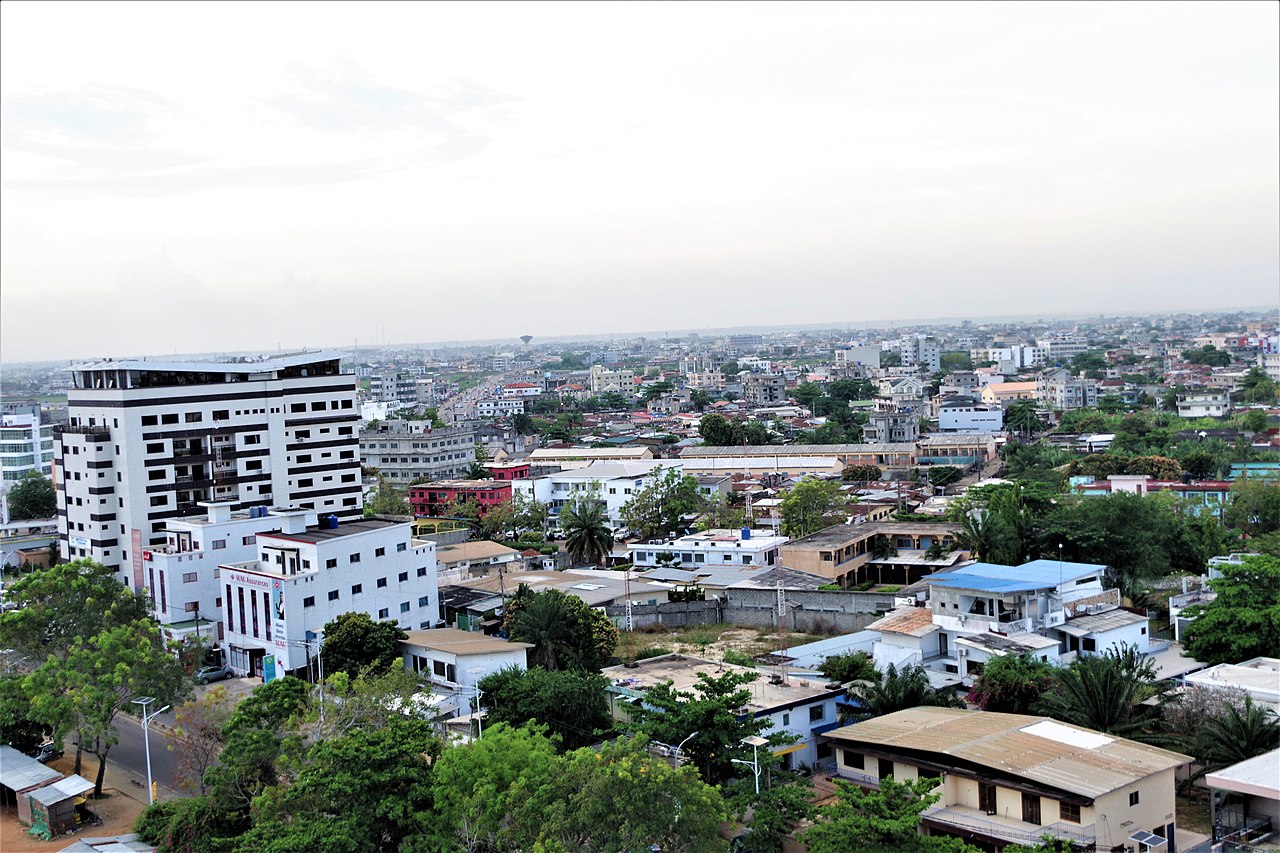
Photo: Adoscam · CC BY-SA 4.0
Benin is in Western Africa, Africa, with Porto-Novo as its capital. Use this guide for trip planning — best time, budget ranges, cities and practical tips.
This Benin travel guide covers the best time to visit, top cities, sample routes, budget ranges and how to travel to Benin — including visa requirements.
Most first-time trips to Benin work in 7–10 days: fly into Porto-Novo, then move only as far as your energy allows. A practical first loop is Porto-Novo → Cotonou → Godomè → Abomey-Calavi → Ouidah → Abomey. Mid-range travellers typically budget $35–95 per person per day on the ground (flights extra). Best time: The dry season offers the best wildlife viewing and travel comfort. This route, cost band and city shortlist are Global Itinerary’s own planning layer — not a copy of another guidebook.
Capital
Porto-Novo
Population
11.5M
Currency
F CFA · West African CFA franc (XOF)
Languages
French
Timezone
Africa/Porto-Novo · UTC+01:00
Calling code
+229
Benin has a rich history shaped by its position in Africa and the cultures of Western Africa, leaving a legacy visible in its landmarks, cities and traditions today.
Culture in Benin is expressed through its food, festivals, music and daily rhythms — a warm invitation to experience local life first-hand.
Visas
Nationals of all African countries and Macau can enter Benin visa-free for up to 90 days. Hong Kong citizens can enter visa free for 14 days. Citizens of all countries may apply for eVisa online. Visas can be 30 days single entry (€50), 30 days multiple entry (€75) or 90 days multiple entry (€100). For longer stays, it is recommended to come with an e-visa and apply for a permit in-country.
Prices for goods purchased in a store, restaurant, hotel, bus tickets, etc. are non-negotiable, but almost everything else is. Depending on the item, it's not uncommon for foreigners to be quoted a price that is double the final purchase price.
By bus
There is an extremely timely and reliable bus system that typically operates a tour-style bus through every major city in Benin every day, and even some international services in and out of Benin. There are many major lines with a range of quality of buses. The main systems are Confort Lines and Benin-Routes. Confort Lines seems to provide more of a variety of routes, and you even get some water and a little sandwich for long trips. Reservations for Confort Lines can be made in advance for CFA 500 at any regional office or by calling +229 21-325815. Bus lines run through: Porto-No…
The official language is French — the language of the former colonial power. Native African languages such as Fon and Yoruba are spoken in the south, Bariba, Dendi and Hausa in the north, and over 50 other African languages and dialects are spoken in the country. English is on the rise.
The best way to stay safe in Benin is to always always always be in the presence of a local person whom you can trust, such as a friend or even a hired tourist guide. They know which areas are safe and which are not, they know the prices of things so you won't get ripped off, they speak the native languages, they know which venues sell good food that is safe for westerners to eat.
Watch what you eat/drink and where you eat/drink it. If you are going to eat street food, make sure it is served very very hot, since bacteria will not live in hot food. The most common causes of sickness is E.coli bacteria found in undercooked meat.
Practical guidance for Benin is summarised from Wikivoyage (CC BY-SA). Always confirm official visa, health and safety requirements before you travel.
Estonian rival to Uber, typically 10–20% cheaper; also e-scooters and bikes.
Yandex's international brand — cheap cars across Africa and the Middle East.
Name your own fare and let nearby drivers accept or counter — great for tight budgets.
Ride-hailing coverage varies here — check whether these apps are live in your city before relying on them.
Local prepaid SIM
Buy a tourist SIM from an official operator kiosk at the airport (bring your passport) — usually the cheapest data.
eSIM (Airalo / Holafly) lets you get online the moment you land — handy if you don't want to queue for a SIM.
Prices and app coverage change often — figures are indicative for 2026, so confirm the current tourist plan in the app or at the airport kiosk.
A suggested loop connecting Benin's major cities by proximity — a practical order for a multi-city trip.
Photos: Adoscam, Élisée.Adad, GBETONGNINOUGBO JOSEPH HERVE AHISSOU, Dowomiche, Ji-Elle — via Wikimedia Commons
Typical mid-range for Benin
Estimated total (USD)
$1,935
≈ $968 per person · $276 per day group total
Ground costs ≈ $70/person/day (lodging + food + transport + activities)
Defaults match Benin's mid-range daily budget ($35–95 per person on the ground). Flights are a separate estimate and vary by origin.
The capital of Benin is Porto-Novo.
The dry season offers the best wildlife viewing and travel comfort.
Yes — travellers visit Benin for its landscapes, cities and culture. Start with Porto-Novo, then explore the top regions on this Benin travel guide for a realistic itinerary.
Visa rules for Benin depend on your passport — use the visa checker on this site for a nationality-specific answer. Use our Benin visa checker for rules by nationality before you book flights.
Budget roughly $35–95 per person per day for mid-range travel in Benin, not including long-haul flights. Costs vary by season and how much you move between cities.
Check current travel advice for Benin before you go.