.jpg?width=1920)
.jpg?width=1920)

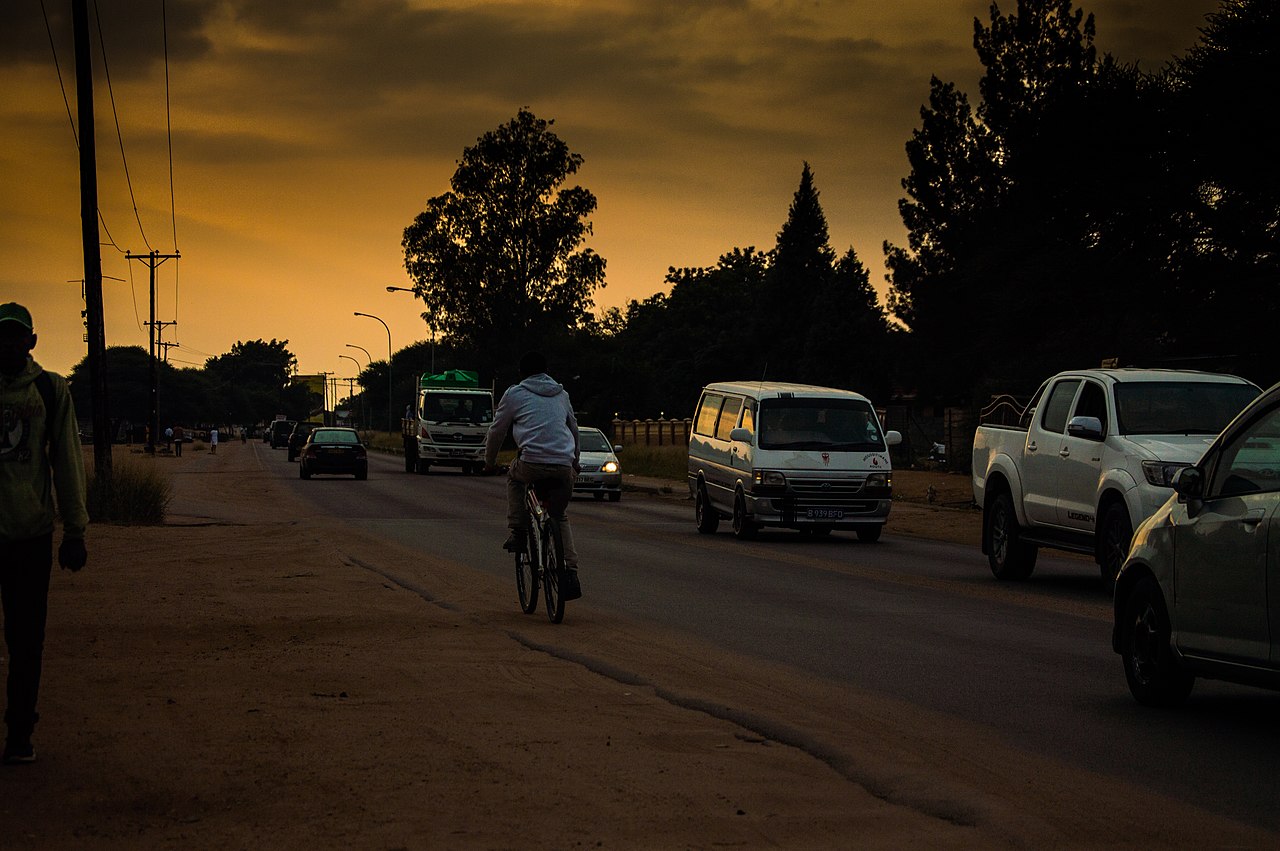


What is the capital of Botswana?
The capital of Botswana is Gaborone.

Botswana is in Southern Africa, Africa, with Gaborone as its capital. Use this guide for trip planning — best time, budget ranges, cities and practical tips.
This Botswana travel guide covers the best time to visit, top cities, sample routes, budget ranges and how to travel to Botswana — including visa requirements.
Most first-time trips to Botswana work in 7–10 days: fly into Gaborone, then move only as far as your energy allows. A practical first loop is Gaborone → Mogoditshane → Molepolole → Serowe → Francistown → Maun. Mid-range travellers typically budget $55–140 per person per day on the ground (flights extra). Best time: The dry season offers the best wildlife viewing and travel comfort. This route, cost band and city shortlist are Global Itinerary’s own planning layer — not a copy of another guidebook.
Capital
Gaborone
Population
2.3M
Currency
P · Botswana pula (BWP)
Languages
English, Tswana
Timezone
Africa/Gaborone · UTC+02:00
Calling code
+267
Botswana has a rich history shaped by its position in Africa and the cultures of Southern Africa, leaving a legacy visible in its landmarks, cities and traditions today.
Culture in Botswana is expressed through its food, festivals, music and daily rhythms — a warm invitation to experience local life first-hand.
Entry requirements
Unlike more stiff necked administrations such as India, Pakistan, Nigeria and China, the Botswana government has not erected high bureaucratic barriers to tourism. Citizens of Commonwealth countries do not need a visa to visit except those from Bangladesh, Cameroon, Ghana, India, Nigeria, Pakistan, and Sri Lanka.
Botswana's currency is the pula, denoted by the symbol "P" (ISO 4217 code: BWP). It is subdivided into 100 thebe. Pula means "rain" in Setswana (rain is very scarce in Botswana - home to much of the Kalahari Desert - and therefore valuable and a "blessing"). Thebe means "shield".
Very few locals know street names and addresses, and you are likely to have to get directions in terms of landmarks. Botswana doesn't have a postal delivery system to addresses (just to centralised mail collection points), so even when streets are well-marked, the names may be unfamiliar to residents.
The official languages of Botswana are English and Tswana. Tswana is the country's national language and usually serves as people's first language. You are not really pressured to learn Tswana as English is widely used in everyday business. Almost everyone you encounter will speak and understand English; it won't be that hard to converse with the locals, but it is also best to learn a bit of Tswana, just to be on the safe side.
People in Botswana are very friendly and the crime rate is low. Nevertheless, crime has been on the rise over the past several years, so always be aware of your surroundings. Basic common sense will keep you safe from the predatory wildlife in rural areas. Botswana is one of the safest countries in Africa, no civil war, less corruption, more human rights, no natural disasters e.g. earthquakes or tsunamis.
Generally speaking, medical care in Botswana is quite good compared to other African countries. Botswana has a universal healthcare system and the vast majority of people live within five kilometers of a healthcare facility. Cities like Gaborone have wonderful hospitals, but quality healthcare is non-existent in rural areas.
Botswana's country code is +267 which was allocated to the country by the International Telecommunications Union in the late 1960s, Fixed line numbers in Botswana are seven digits long in a closed telephone numbering plan, with the geographical area being indicated by the first two or three digits, meaning that there are no area codes.
Practical guidance for Botswana is summarised from Wikivoyage (CC BY-SA). Always confirm official visa, health and safety requirements before you travel.
Estonian rival to Uber, typically 10–20% cheaper; also e-scooters and bikes.
Yandex's international brand — cheap cars across Africa and the Middle East.
Name your own fare and let nearby drivers accept or counter — great for tight budgets.
Ride-hailing coverage varies here — check whether these apps are live in your city before relying on them.
Local prepaid SIM
Buy a tourist SIM from an official operator kiosk at the airport (bring your passport) — usually the cheapest data.
eSIM (Airalo / Holafly) lets you get online the moment you land — handy if you don't want to queue for a SIM.
Prices and app coverage change often — figures are indicative for 2026, so confirm the current tourist plan in the app or at the airport kiosk.
A suggested loop connecting Botswana's major cities by proximity — a practical order for a multi-city trip.
Photos: CNJerem, James BonTempo from Baltimore, USA, Masedi Nonofo, Lerotsi at English Wikipedia, ThusoMotlasuping — via Wikimedia Commons
Typical mid-range for Botswana
Estimated total (USD)
$2,180
≈ $1,090 per person · $311 per day group total
Ground costs ≈ $95/person/day (lodging + food + transport + activities)
Defaults match Botswana's mid-range daily budget ($55–140 per person on the ground). Flights are a separate estimate and vary by origin.
The capital of Botswana is Gaborone.
The dry season offers the best wildlife viewing and travel comfort.
Yes — travellers visit Botswana for its landscapes, cities and culture. Start with Gaborone, then explore the top regions on this Botswana travel guide for a realistic itinerary.
Visa rules for Botswana depend on your passport — use the visa checker on this site for a nationality-specific answer. Use our Botswana visa checker for rules by nationality before you book flights.
Budget roughly $55–140 per person per day for mid-range travel in Botswana, not including long-haul flights. Costs vary by season and how much you move between cities.
Check current travel advice for Botswana before you go.