What is the capital of Chad?
The capital of Chad is N'Djamena.

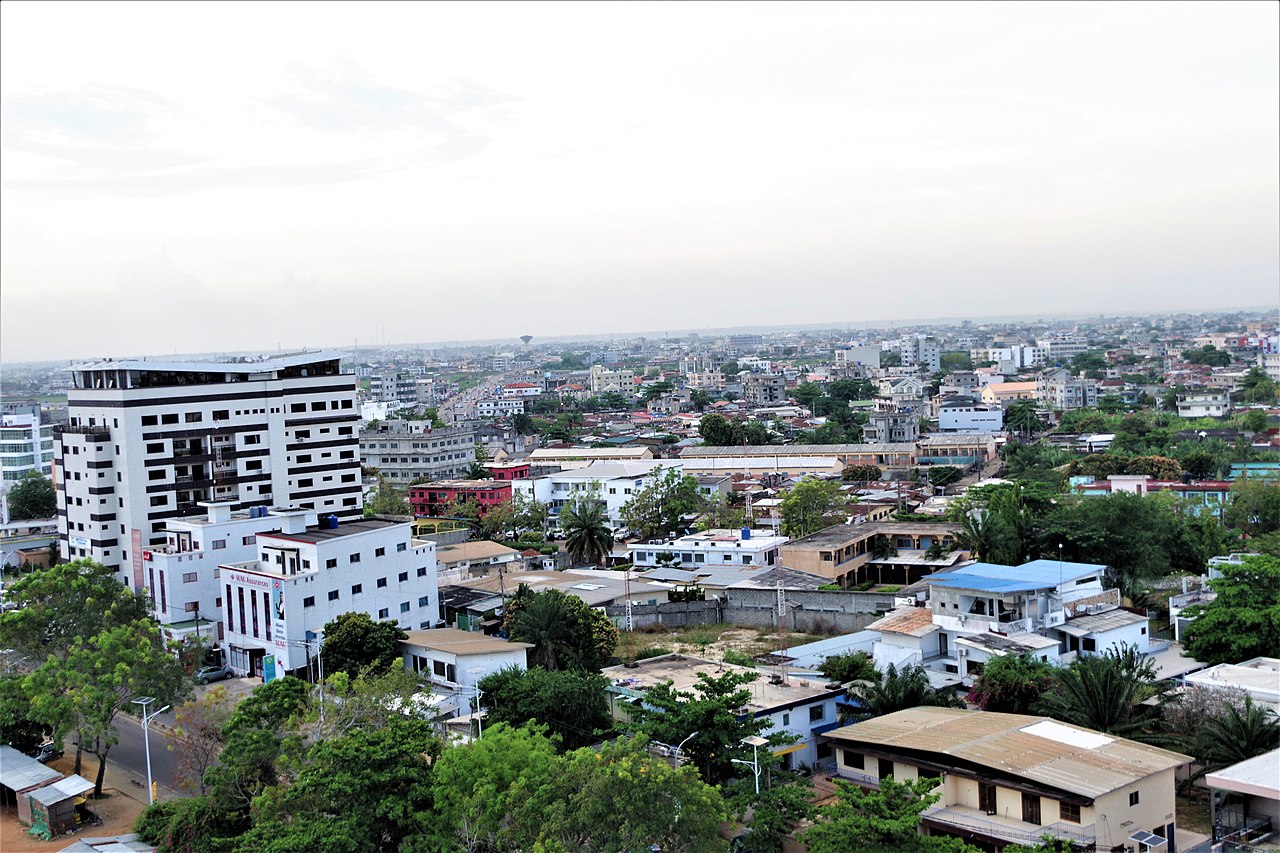
Photo: Kayhan ERTUGRUL · CC BY-SA 3.0
Chad is in Middle Africa, Africa, with N'Djamena as its capital. Use this guide for trip planning — best time, budget ranges, cities and practical tips.
This Chad travel guide covers the best time to visit, top cities, sample routes, budget ranges and how to travel to Chad — including visa requirements.
Most first-time trips to Chad work in 7–10 days: fly into N'Djamena, then move only as far as your energy allows. A practical first loop is N'Djamena → Kelo → Moundou → Sarh → Am Timan → Abéché. Mid-range travellers typically budget $40–100 per person per day on the ground (flights extra). Best time: The dry season offers the best wildlife viewing and travel comfort. This route, cost band and city shortlist are Global Itinerary’s own planning layer — not a copy of another guidebook.
Capital
N'Djamena
Population
15.5M
Currency
FCFA · Central African CFA franc (XAF)
Languages
Arabic, French
Timezone
Africa/Ndjamena · UTC+01:00
Calling code
+235
Chad has a rich history shaped by its position in Africa and the cultures of Middle Africa, leaving a legacy visible in its landmarks, cities and traditions today.
Culture in Chad is expressed through its food, festivals, music and daily rhythms — a warm invitation to experience local life first-hand.
Everyone, except citizens of Benin, Burkina Faso, Cameroon, Central African Republic, Republic of the Congo, Ivory Coast, Gabon, Equatorial Guinea, Mauritania, Niger and Senegal, needs a visa to enter the country.
The currency of the country is the Central African CFA franc, denoted FCFA (ISO currency code: XAF). It's also used by five other Central African countries. It is interchangeable at par with the West African CFA franc (XOF), which is used by six countries. Both currencies are fixed at a rate of €1 = 655.957 CFA francs.
In N'Djamena there are both vehicle taxis and motorcycle taxis. In some major towns, such as Moundou and Sarh, there might be only "clandos" - motorcycle taxis - or rickshaws (more towards the east of the country) for getting around town.
The main languages of Chad are Arabic and French. Few Chadians other than the educated and well-travelled speak literary Arabic; however, a dialect of Arabic known as "Chadian Arabic" is much more widely spoken and is the closest thing the country has to a trade language. Chadian Arabic is significantly different from literary Arabic, but similar to the dialects of Sudan and Egypt. Literary Arabic speakers can typically understand Chadian Arabic but the reverse is not true. Over one hundred indi…
There continues to be potential for instability in Chad, particularly in its border regions and in the run-up to and during major political events. The Lake Chad region (threat of Boko Haram jihadists) and the other border areas are considered the most dangerous due to potential for armed conflict and minefields.
Officially, Chad has the worst tap water quality in the world. Drink water brands you recognize from stores. Eat at restaurants recommended to you by friends and locals you trust. Eat food that has been freshly prepared and cooked well. If you are eating local dishes, make sure the food was freshly prepared, cooked well, and still warm from the grill or cooking pot. Wash your hands often.
The rate of internet use is low – 10% of the population as of 2020 but steadily increasing. Mobile telecommunication is the easiest way to connect while travelling. You can buy SIM cards of one of the bigger telecommunication enterprises (Airtel & Moov) almost everywhere on the streets. Recharging Minutes to call or MB for internet connection is pretty simple and the way to go, since there is not many places that offer stable Wifi connections.
There are 200 distinct ethnic groups. In the north and center: Arabs, Gorane (Toubou, Daza, Kreda), Zaghawa, Kanembou, Ouaddai, Baguirmi, Hadjerai, Fulbe, Kotoko, Hausa, Boulala, and Maba, most of whom are Muslim; in the south: Sara (Ngambaye, Mbaye, Goulaye), Moundang, Moussei, Massa, most of whom are Christian or animist; about 1,000 French citizens live in Chad.
Practical guidance for Chad is summarised from Wikivoyage (CC BY-SA). Always confirm official visa, health and safety requirements before you travel.
Estonian rival to Uber, typically 10–20% cheaper; also e-scooters and bikes.
Yandex's international brand — cheap cars across Africa and the Middle East.
Name your own fare and let nearby drivers accept or counter — great for tight budgets.
Ride-hailing coverage varies here — check whether these apps are live in your city before relying on them.
Local prepaid SIM
Buy a tourist SIM from an official operator kiosk at the airport (bring your passport) — usually the cheapest data.
eSIM (Airalo / Holafly) lets you get online the moment you land — handy if you don't want to queue for a SIM.
Prices and app coverage change often — figures are indicative for 2026, so confirm the current tourist plan in the app or at the airport kiosk.
A suggested loop connecting Chad's major cities by proximity — a practical order for a multi-city trip.
Photos: Kayhan ERTUGRUL, Korom10, Dans, Alexander Yakovlev, Chrisrosenk — via Wikimedia Commons
Typical mid-range for Chad
Estimated total (USD)
$1,935
≈ $968 per person · $276 per day group total
Ground costs ≈ $70/person/day (lodging + food + transport + activities)
Defaults match Chad's mid-range daily budget ($40–100 per person on the ground). Flights are a separate estimate and vary by origin.
The capital of Chad is N'Djamena.
The dry season offers the best wildlife viewing and travel comfort.
Yes — travellers visit Chad for its landscapes, cities and culture. Start with N'Djamena, then explore the top regions on this Chad travel guide for a realistic itinerary.
Visa rules for Chad depend on your passport — use the visa checker on this site for a nationality-specific answer. Use our Chad visa checker for rules by nationality before you book flights.
Budget roughly $40–100 per person per day for mid-range travel in Chad, not including long-haul flights. Costs vary by season and how much you move between cities.
Check current travel advice for Chad before you go.