What is the capital of Eritrea?
The capital of Eritrea is Asmara.

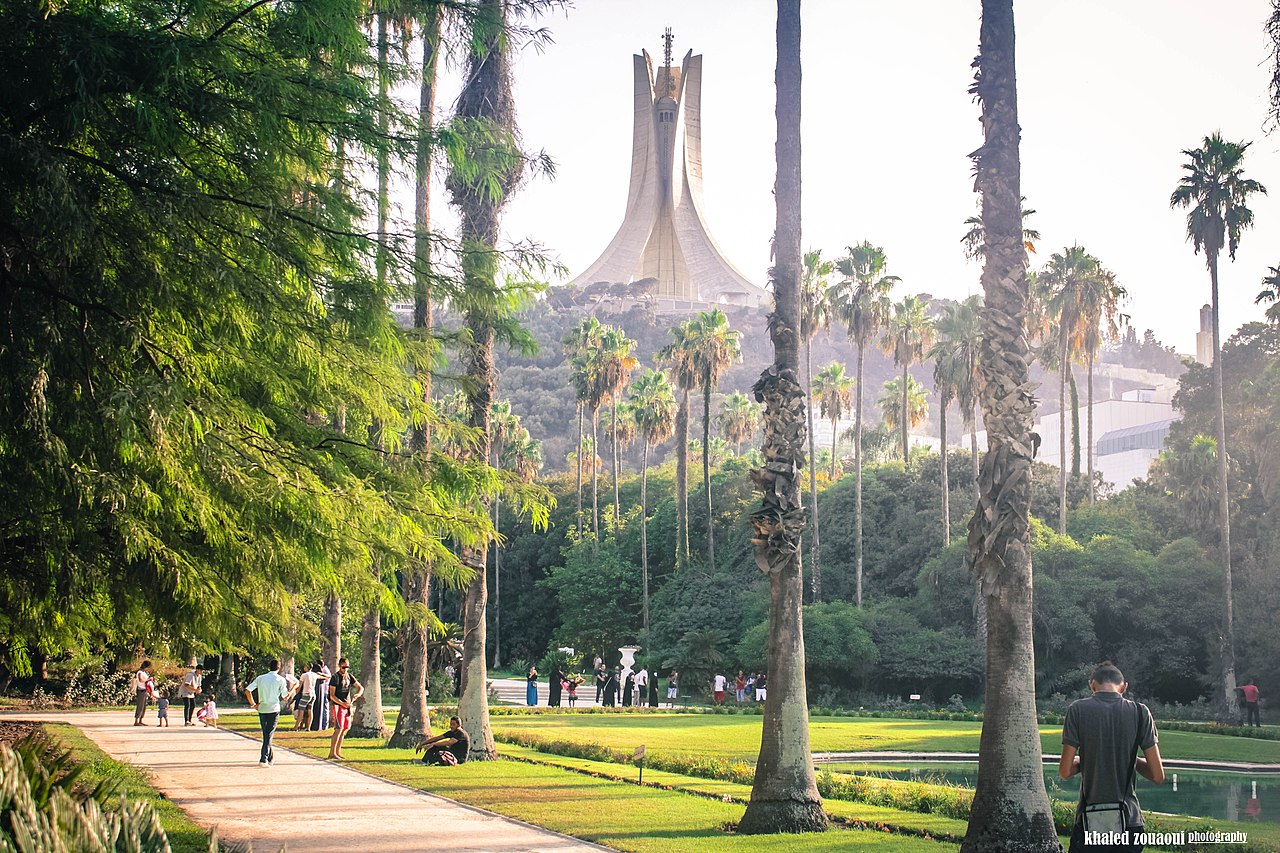
Photo: Jnyssen · CC BY-SA 4.0
Eritrea is in Eastern Africa, Africa, with Asmara as its capital. Use this guide for trip planning — best time, budget ranges, cities and practical tips.
This Eritrea travel guide covers the best time to visit, top cities, sample routes, budget ranges and how to travel to Eritrea — including visa requirements.
Most first-time trips to Eritrea work in 7–10 days: fly into Asmara, then move only as far as your energy allows. A practical first loop is Asmara → Mendefera → Keren → Massawa → Himora → Assab. Mid-range travellers typically budget $35–110 per person per day on the ground (flights extra). Best time: The dry season offers the best wildlife viewing and travel comfort. This route, cost band and city shortlist are Global Itinerary’s own planning layer — not a copy of another guidebook.
Capital
Asmara
Population
6.2M
Currency
ERN · Eritrean nakfa (ERN)
Languages
Arabic, English, Tigrinya
Timezone
Africa/Asmara · UTC+03:00
Calling code
+291
Eritrea has a rich history shaped by its position in Africa and the cultures of Eastern Africa, leaving a legacy visible in its landmarks, cities and traditions today.
Culture in Eritrea is expressed through its food, festivals, music and daily rhythms — a warm invitation to experience local life first-hand.
Visa requirements
Largely isolated from the rest of the world, obtaining an Eritrean visa is a difficult, painstaking, and expensive affair. When you apply for an Eritrean visa, you must do it at an Eritrean diplomatic mission located in your home country, i.e. a country you are a citizen of. If your home country does not have an Eritrean embassy or consulate, you must go to an Eritrean diplomatic mission that is accredited to your home country.
The currency is the Eritrean nakfa, denoted by the symbol "Nkf" or "ናቕፋ" (ISO currency code: ERN). It is pegged to the US dollar. The official exchange rates are shown above. The black market rate was reported in 2025 to be Nkf 50-58 to US$1.
While it may be tempting to explore all that Eritrea has to offer, you must obtain a travel permit from the Eritrean government if you wish to travel outside Asmara, the capital city. It can take 24 hours or more to obtain a travel permit, so plan your trip well ahead in advance.
The main languages of the country are Tigrinya, Arabic, and English. Tigrinya is the lingua franca of Eritrea, and shares a lot in common with Amharic, the official language and lingua franca of neighbouring Ethiopia. If you know some Amharic, picking up Tigrinya should be easy. Although you can get far with English, learning a few phrases in Tigrinya would go a long way and would most certainly endear you to the locals.
Watch out for bicycle riders, vehicle drivers and pedestrians. People don’t look when crossing streets and bike riding accidents are common. Eritrea is generally safe though and you can walk about at night and anywhere in the cities and not worry about crime. There are sometimes children that aggressively beg and throw rocks but usually leave you alone if you are stern with them. Homosexuality is illegal and can get up to 3 years in prison or even death.
Do not drink the tap water and even check bottled water to make sure the cap is sealed. Be very careful what you eat. Many people get sick here. There is a Jordanian UN hospital that will treat foreigners. Local hospitals have inadequate facilities. Be healthy if you come here. Avoid uncooked food and unbottled drinks.
To circumvent heavy censorship, use the free, open-source TOR Project. This workaround may become steadily less effective as the repressive regime gets aid and advice from China.
Eritreans are polite, hospitable and soft-spoken but, due to the language barrier, may keep their distance from foreigners. If approached by an English speaker, try to maintain an innocent topic of conversation and use universal common sense. Avoid displaying disdain, arrogance or harsh criticism towards the country, culture, religion or politics of the country, although most will be tolerant of your "mistakes" as you are a passing foreigner. You are in a police state, don't forget it!
Practical guidance for Eritrea is summarised from Wikivoyage (CC BY-SA). Always confirm official visa, health and safety requirements before you travel.
Estonian rival to Uber, typically 10–20% cheaper; also e-scooters and bikes.
Yandex's international brand — cheap cars across Africa and the Middle East.
Name your own fare and let nearby drivers accept or counter — great for tight budgets.
Ride-hailing coverage varies here — check whether these apps are live in your city before relying on them.
Local prepaid SIM
Buy a tourist SIM from an official operator kiosk at the airport (bring your passport) — usually the cheapest data.
eSIM (Airalo / Holafly) lets you get online the moment you land — handy if you don't want to queue for a SIM.
Prices and app coverage change often — figures are indicative for 2026, so confirm the current tourist plan in the app or at the airport kiosk.
A suggested loop connecting Eritrea's major cities by proximity — a practical order for a multi-city trip.
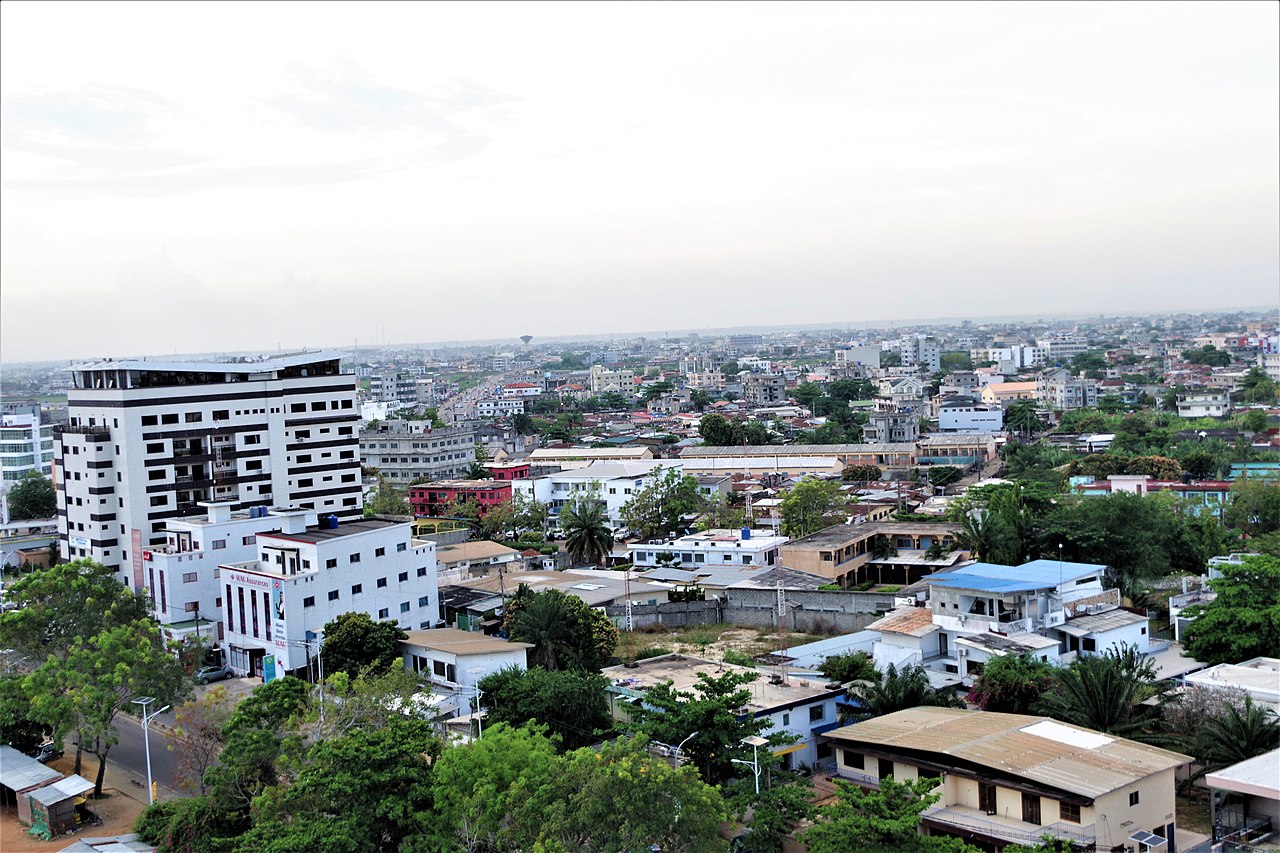
Photos: Jnyssen, Reinhard Dietrich, vxr7475, Maurice Chédel — via Wikimedia Commons
Typical mid-range for Eritrea
Estimated total (USD)
$1,935
≈ $968 per person · $276 per day group total
Ground costs ≈ $70/person/day (lodging + food + transport + activities)
Defaults match Eritrea's mid-range daily budget ($35–110 per person on the ground). Flights are a separate estimate and vary by origin.
The capital of Eritrea is Asmara.
The dry season offers the best wildlife viewing and travel comfort.
Yes — travellers visit Eritrea for its landscapes, cities and culture. Start with Asmara, then explore the top regions on this Eritrea travel guide for a realistic itinerary.
Visa rules for Eritrea depend on your passport — use the visa checker on this site for a nationality-specific answer. Use our Eritrea visa checker for rules by nationality before you book flights.
Budget roughly $35–110 per person per day for mid-range travel in Eritrea, not including long-haul flights. Costs vary by season and how much you move between cities.
Check current travel advice for Eritrea before you go.