_-_fontana.jpg?width=1920)


What is the capital of Libya?
The capital of Libya is Tripoli.

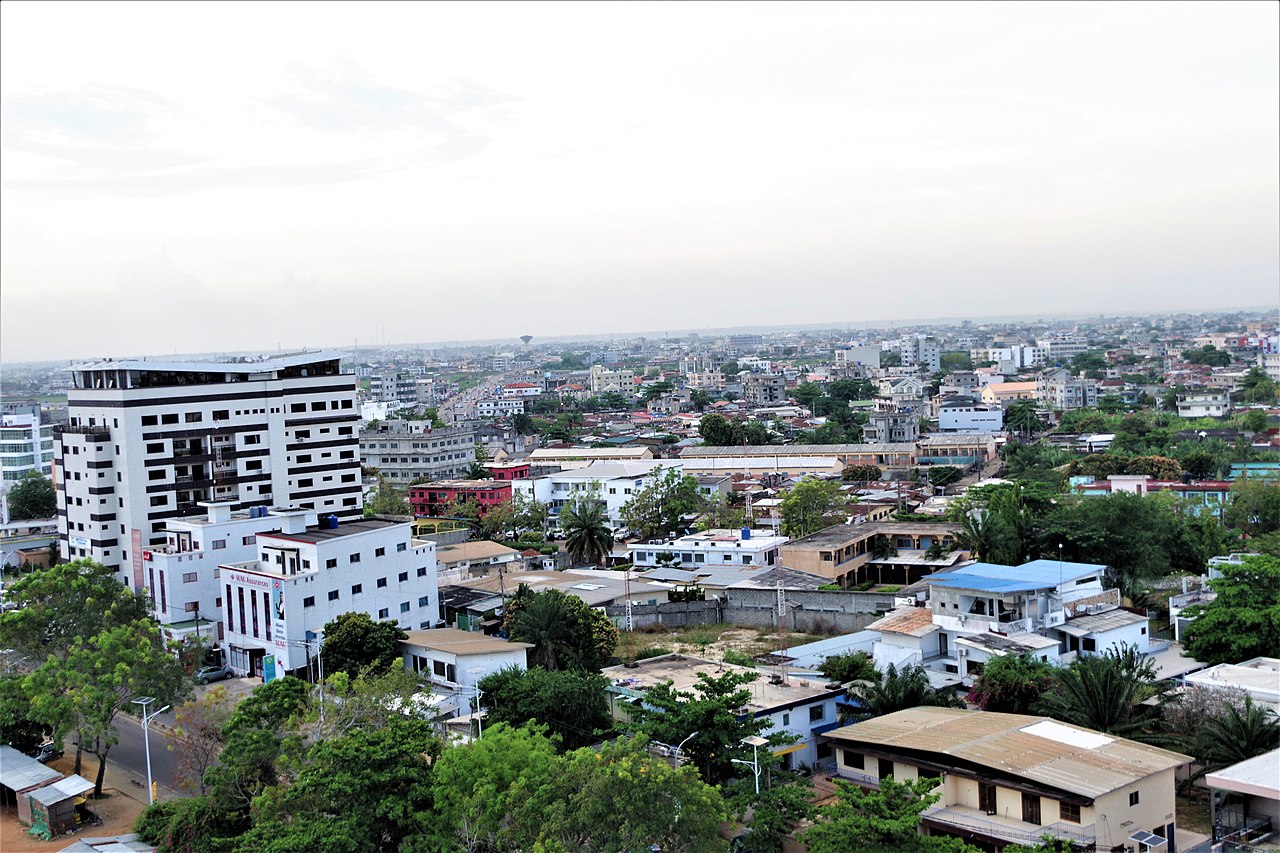
Photo: Maher A. A. Abdussalam · Public domain
Libya is in Northern Africa, Africa, with Tripoli as its capital. Use this guide for trip planning — best time, budget ranges, cities and practical tips.
This Libya travel guide covers the best time to visit, top cities, sample routes, budget ranges and how to travel to Libya — including visa requirements.
Most first-time trips to Libya work in 7–10 days: fly into Tripoli, then move only as far as your energy allows. A practical first loop is Tripoli → Az Zāwīyah → Al Khums → Zliten → Misratah → Benghazi. Mid-range travellers typically budget $35–100 per person per day on the ground (flights extra). Best time: The dry season offers the best wildlife viewing and travel comfort. This route, cost band and city shortlist are Global Itinerary’s own planning layer — not a copy of another guidebook.
Capital
Tripoli
Population
6.7M
Currency
LYD · Libyan dinar (LYD)
Languages
Arabic
Timezone
Africa/Tripoli · UTC+02:00
Calling code
+218
Libya has a rich history shaped by its position in Africa and the cultures of Northern Africa, leaving a legacy visible in its landmarks, cities and traditions today.
Culture in Libya is expressed through its food, festivals, music and daily rhythms — a warm invitation to experience local life first-hand.
Entry requirements
Libya is a very difficult country to access, mainly because its immigration requirements are notoriously perplexing. The Libyan government has a history of changing its immigration rules frequently and without warning.
The Libyan currency is the Libyan dinar, denoted by the symbol "ل.د" or "LD" (ISO code: LYD). The dinar is subdivided into 1000 dirhams. Banknotes are issued in denominations of 1, 5, 10, 20, and 50 dinars. Coins are issued in denominations of 50, 100 dirhams, ¼, and ½ dinar.
Due to the immense size of the country, the terrible state of the roads, and the poor security situation, the only way to get around the country quickly is by plane. This is not to say that it's entirely safe, but it's still a better alternative to travelling overland.
The official language of Libya is Arabic. The local vernacular is Libyan Arabic. It has extensive borrowings from languages such as Italian, Turkish, and Amazigh/Tamazight ("Berber"). For instance, the word for traffic light is "semaforo" and the word for petrol is "benzina". Modern Standard Arabic is rarely spoken in everyday conversations. However, most Libyans are knowledgeable in MSA, so if you wish to improve your Arabic skills, you shouldn't have any problems. You're not expected to know t…
The security situation in Libya is fragile and unpredictable. Although some have been brave enough to enter and leave the country without any difficulties, anything can happen in this politically unstable nation.
Prior to the fall of the Libyan Arab Jamahiriya, Libya had an excellent health care system. However, the civil wars that soon followed badly damaged and devastated that system. Many hospitals are in a state of disrepair and there's a shortage of medical supplies and staff.
Consular services
Due to various factors − the effects of the civil war, the ongoing humanitarian crisis, the volatile security situation, political instability, and so on − many embassies and consulates offer limited services. Some governments have closed down their diplomatic missions completely.
Much of what is considered good manners in the Arab world is applicable to Libya. Libyans are indirect communicators. They are tempered by the need to save face and protect their honour and they will avoid saying anything that could be construed as judgemental or negative. One's point is expressed in a roundabout way.
Practical guidance for Libya is summarised from Wikivoyage (CC BY-SA). Always confirm official visa, health and safety requirements before you travel.
Estonian rival to Uber, typically 10–20% cheaper; also e-scooters and bikes.
Yandex's international brand — cheap cars across Africa and the Middle East.
Name your own fare and let nearby drivers accept or counter — great for tight budgets.
Ride-hailing coverage varies here — check whether these apps are live in your city before relying on them.
Local prepaid SIM
Buy a tourist SIM from an official operator kiosk at the airport (bring your passport) — usually the cheapest data.
eSIM (Airalo / Holafly) lets you get online the moment you land — handy if you don't want to queue for a SIM.
Prices and app coverage change often — figures are indicative for 2026, so confirm the current tourist plan in the app or at the airport kiosk.
A suggested loop connecting Libya's major cities by proximity — a practical order for a multi-city trip.
Photos: Maher A. A. Abdussalam, vedi Fonte, (not mentioned), Mustafa.explore — via Wikimedia Commons
Typical mid-range for Libya
Estimated total (USD)
$1,935
≈ $968 per person · $276 per day group total
Ground costs ≈ $70/person/day (lodging + food + transport + activities)
Defaults match Libya's mid-range daily budget ($35–100 per person on the ground). Flights are a separate estimate and vary by origin.
The capital of Libya is Tripoli.
The dry season offers the best wildlife viewing and travel comfort.
Yes — travellers visit Libya for its landscapes, cities and culture. Start with Tripoli, then explore the top regions on this Libya travel guide for a realistic itinerary.
Visa rules for Libya depend on your passport — use the visa checker on this site for a nationality-specific answer. Use our Libya visa checker for rules by nationality before you book flights.
Budget roughly $35–100 per person per day for mid-range travel in Libya, not including long-haul flights. Costs vary by season and how much you move between cities.
Check current travel advice for Libya before you go.