

What is the capital of Mauritania?
The capital of Mauritania is Nouakchott.

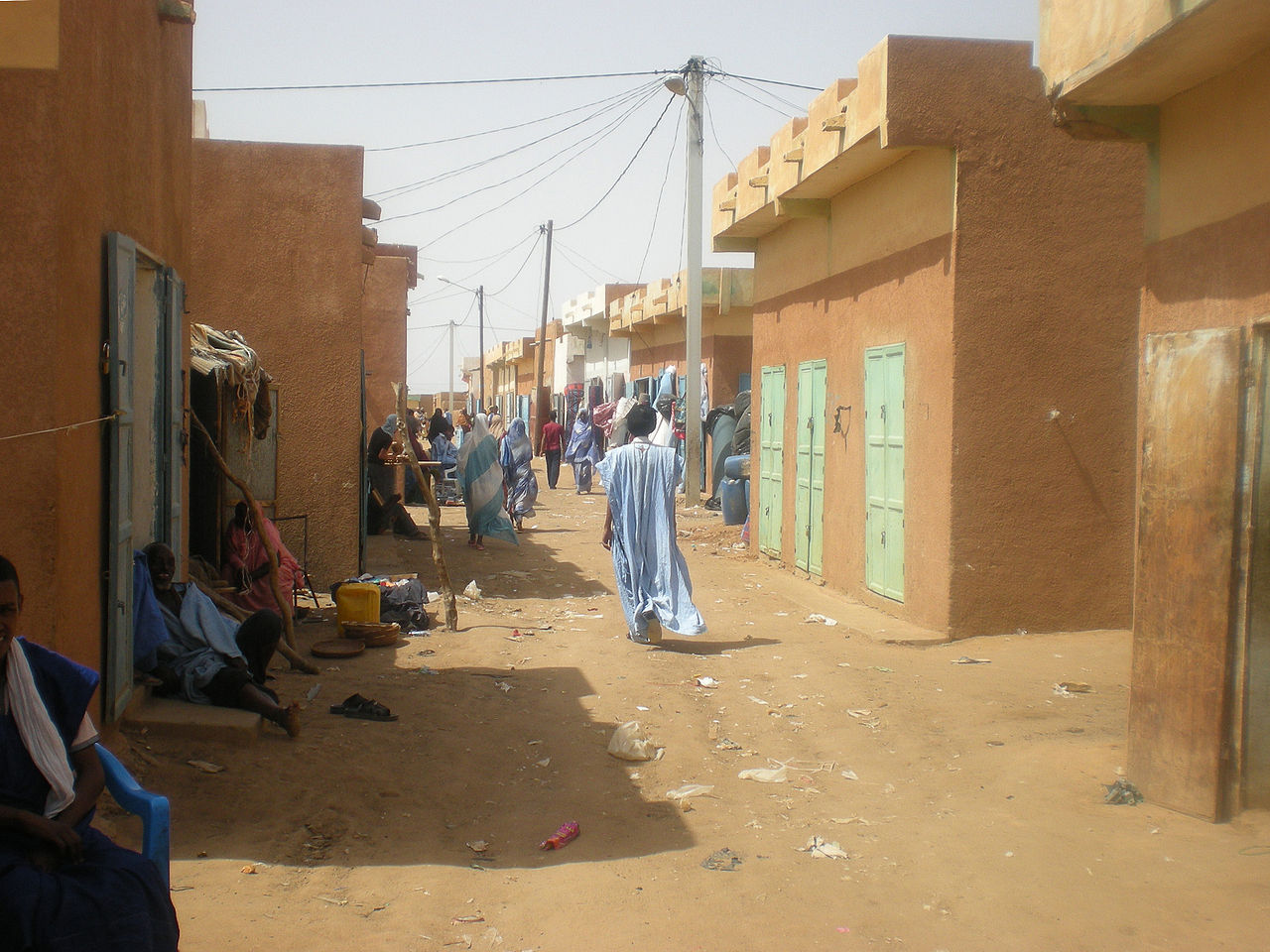
Photo: Laminesall96 · CC BY-SA 4.0
Mauritania is in Western Africa, Africa, with Nouakchott as its capital. Use this guide for trip planning — best time, budget ranges, cities and practical tips.
This Mauritania travel guide covers the best time to visit, top cities, sample routes, budget ranges and how to travel to Mauritania — including visa requirements.
Most first-time trips to Mauritania work in 7–10 days: fly into Nouakchott, then move only as far as your energy allows. A practical first loop is Nouakchott → Dar Naim → Nouadhibou → Kiffa → Néma → Mbera. Mid-range travellers typically budget $35–95 per person per day on the ground (flights extra). Best time: The dry season offers the best wildlife viewing and travel comfort. This route, cost band and city shortlist are Global Itinerary’s own planning layer — not a copy of another guidebook.
Capital
Nouakchott
Population
4.4M
Currency
MRU · Mauritanian ouguiya (MRU)
Languages
Arabic
Timezone
Africa/Nouakchott · UTC+00:00
Calling code
+222
Mauritania has a rich history shaped by its position in Africa and the cultures of Western Africa, leaving a legacy visible in its landmarks, cities and traditions today.
Culture in Mauritania is expressed through its food, festivals, music and daily rhythms — a warm invitation to experience local life first-hand.
Entry requirements
Mauritania's visa policy has changed as of January 2025. Most travellers will need to apply for an E-Visa here. It is normally approved within 1-3 business days, although delays can happen at any time due to corruption and the fact that tourism is really not a large priority for the government. If you are looking for a quick way to get your visa approved, it may be best to try to find a contact within the country and ask.
The country's currency is the Mauritanian ouguiya (pron. oo-gee-ya), denoted by the symbol "UM" or "أوقية" (ISO code: MRU). It was revalued in Dec 2017: 10 old UM (ISO: MRO) = 1 new UM (MRU). Prices are occasionally still written in the old MRO system, especially in restaurants and hotels that cater to Westerners, so don't be put off by the seemingly high prices.
Make sure to have plenty of passport copies for travelling between towns. It’s not uncommon to give away up to 5-10 passport copies a day to police at checkpoints.
By taxi
Taxis are normally available at airports. Negotiating a good fare requires solid Arabic and/or French skills.
Arabic is the official language of Mauritania. The Modern Standard dialect is the main language of the government, whereas the Hassaniya dialect is the local vernacular. Hassaniya Arabic contains many loanwords from various Berber languages and differs significantly from Modern Standard Arabic.
The area near Western Sahara is heavily mined, and travel through this area is highly inadvisable. Border areas lining Algeria and Mali are notorious for banditry. The single paved road coming from Morocco is perilous, having been the site of Al Qaeda in the Islamic Maghreb (AQIM) kidnappings. If you must travel on this path, it is best to do so in a tight caravan. In other areas, one should avoid flaunting wealth or expensive wares. Daunting though it may seem, a bit of research and common sense will ensure a pleasant trip in Mauritania.
For the majority of Westerners, the local water in any part of the country (including Nouakchott) is not safe to drink. Visitors should drink only bottled water if they don't have access to some type of water purifying or filtration system. The Sahara is a very dry climate. You may become dehydrated quite easily, and not be aware of it. The best rule of thumb is to be sure that you have urinated three times each day, at reasonable intervals. In the hottest part of the year, this might mean drinking several litres of water each day.
There are three operators of GSM networks: Mattel (excellent English website), Mauritel Mobiles and Chinguitel. Prepaid plans are available for three of them. 3G/4G is available and data speeds are good.
Learn Salaam alaykum and use it when greeting people. If you are a man, don't try to shake hands with a woman, and vice versa (note that some African women will not have a problem with shaking a man's hand, but it is best to not try to initiate contact, just follow their lead). You can, however, say hello and touch your hand over your heart.
Practical guidance for Mauritania is summarised from Wikivoyage (CC BY-SA). Always confirm official visa, health and safety requirements before you travel.
Estonian rival to Uber, typically 10–20% cheaper; also e-scooters and bikes.
Yandex's international brand — cheap cars across Africa and the Middle East.
Name your own fare and let nearby drivers accept or counter — great for tight budgets.
Ride-hailing coverage varies here — check whether these apps are live in your city before relying on them.
Local prepaid SIM
Buy a tourist SIM from an official operator kiosk at the airport (bring your passport) — usually the cheapest data.
eSIM (Airalo / Holafly) lets you get online the moment you land — handy if you don't want to queue for a SIM.
Prices and app coverage change often — figures are indicative for 2026, so confirm the current tourist plan in the app or at the airport kiosk.
A suggested loop connecting Mauritania's major cities by proximity — a practical order for a multi-city trip.
Photos: Laminesall96, Tinga more, bob rayner, Magharebia — via Wikimedia Commons
Typical mid-range for Mauritania
Estimated total (USD)
$1,935
≈ $968 per person · $276 per day group total
Ground costs ≈ $70/person/day (lodging + food + transport + activities)
Defaults match Mauritania's mid-range daily budget ($35–95 per person on the ground). Flights are a separate estimate and vary by origin.
The capital of Mauritania is Nouakchott.
The dry season offers the best wildlife viewing and travel comfort.
Yes — travellers visit Mauritania for its landscapes, cities and culture. Start with Nouakchott, then explore the top regions on this Mauritania travel guide for a realistic itinerary.
Visa rules for Mauritania depend on your passport — use the visa checker on this site for a nationality-specific answer. Use our Mauritania visa checker for rules by nationality before you book flights.
Budget roughly $35–95 per person per day for mid-range travel in Mauritania, not including long-haul flights. Costs vary by season and how much you move between cities.
Check current travel advice for Mauritania before you go.