.jpg?width=1920)

What is the capital of Nigeria?
The capital of Nigeria is Abuja.
_in_Lagos._Nigeria.jpg?width=1920)
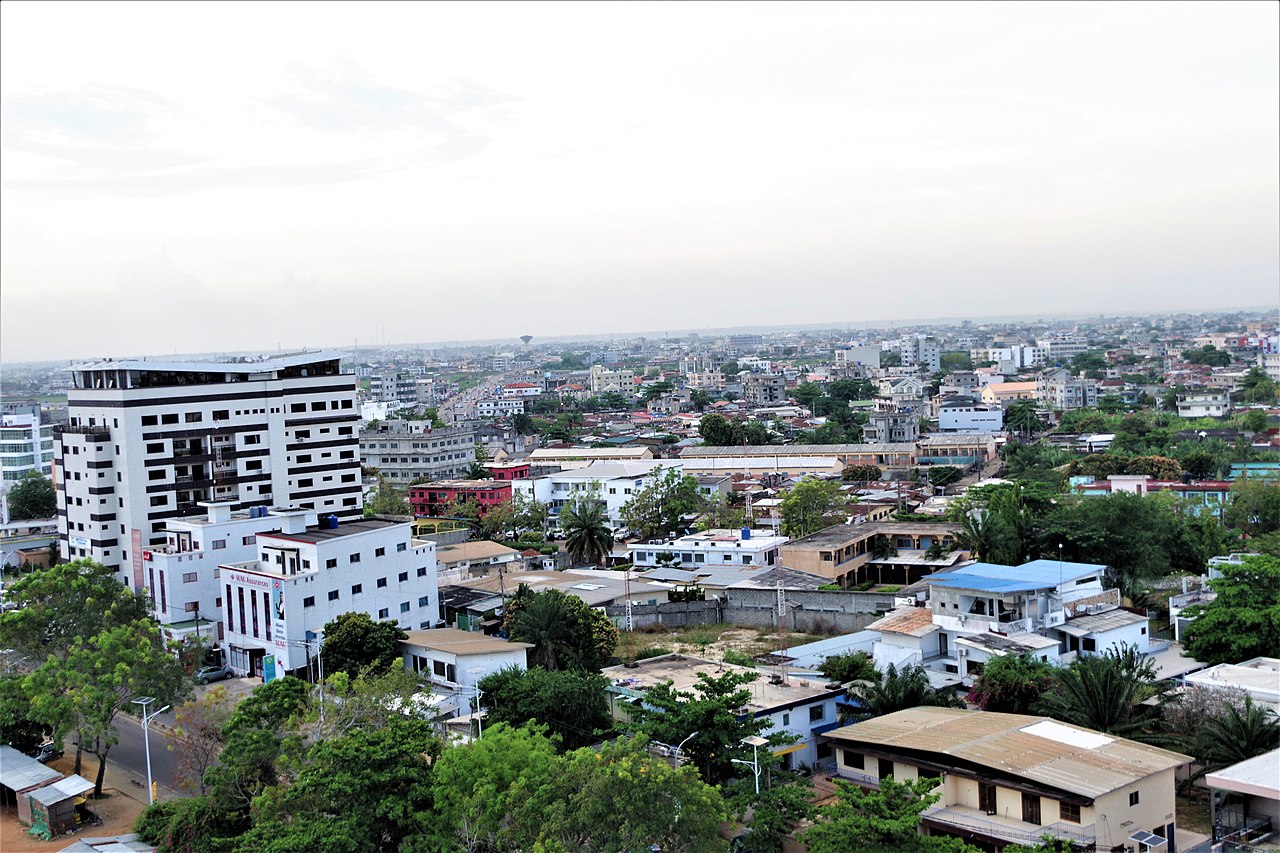
Photo: Koutchika Lihouenou Gaspard · CC BY-SA 4.0
Nigeria is in Western Africa, Africa, with Abuja as its capital. Use this guide for trip planning — best time, budget ranges, cities and practical tips.
This Nigeria travel guide covers the best time to visit, top cities, sample routes, budget ranges and how to travel to Nigeria — including visa requirements.
Most first-time trips to Nigeria work in 7–10 days: fly into Abuja, then move only as far as your energy allows. A practical first loop is Abuja → Kaduna → Kano → Ibadan → Lagos → Port Harcourt. Mid-range travellers typically budget $35–95 per person per day on the ground (flights extra). Best time: The dry season offers the best wildlife viewing and travel comfort. This route, cost band and city shortlist are Global Itinerary’s own planning layer — not a copy of another guidebook.
Capital
Abuja
Population
195.9M
Currency
₦ · Nigerian naira (NGN)
Languages
English
Timezone
Africa/Lagos · UTC+01:00
Calling code
+234
Nigeria has a rich history shaped by its position in Africa and the cultures of Western Africa, leaving a legacy visible in its landmarks, cities and traditions today.
Culture in Nigeria is expressed through its food, festivals, music and daily rhythms — a warm invitation to experience local life first-hand.
Entry requirements
Nigeria isn't a country you can just waltz into. There are few visa-free arrangements in place, and almost everyone requires a visa in advance to enter the country, unless they're citizens of Economic Community of West African States (ECOWAS). Nationals of Kenya are allowed to get a visa on arrival in Nigeria, though.
Nigeria's currency is naira (symbol: ₦, ISO 4217 code: NGN). Banknotes circulate in denominations of 5, 10, 20, 50, 100, 200, 500 and 1,000. Between 2023 and 2024, high inflation caused the naira to lose three quarters of its value against other currencies.
If you're located in a major city like Lagos or Abuja, taking ride-sharing services Bolt and Uber is usually the easiest way to get around. However, if you're traveling outside major cities you'll most likely want to hire a car and driver. The road systems in Nigeria are relatively poor compared with North America or Europe, but often still passable. The "okada" (motorcycle) is not for the faint-hearted (there used to be no helmets but as a law the rider is required to have two helmets for himself and a passenger, although very few okada riders adhere to this rule.) and should only be used for…
More than 500 languages are spoken in the country, making Nigeria one of the most linguistically diverse countries in the world. As impressive as that may sound, many of the country's languages are endangered, and many Nigerians are semi-literate or illiterate in their native languages.
Nigerian crime levels are fairly high, particularly in Lagos. The far north eastern regions of Nigeria are troubled by the Boko Haram jihadist group which is known for its attacks on non-Muslims and taking the law into their own hands. This Islamist group is also known for its harsh interpretation of sharia law, which includes flogging. Boko Haram attacks Christians and proselytizers, so avoid travelling to the north east in large groups. The US State Department and the UK Foreign and Commonwealth Office advise against travel to this area, while Global Affairs Canada recommends against non-ess…
Travellers to Nigeria are required to vaccinate themselves against yellow fever, preferably 10 days before arrival in Nigeria. As malaria is prevalent, malaria pills and mosquito nets are also recommended. Polio vaccination in Nigeria is intermittent and there is a high rate of infection in the North.
Dialing out from Nigeria: you will need to dial the International Code, followed by the phone digit numbers. Dialing into Nigeria: callers use +234 followed by the phone digit numbers. There is also a company in Nigeria called Elixir Communication Worldwide that offers mobile phones for the blind and visually challenged. All the mobile operators have a roaming agreement with other mobile operators around the world.
Respect for elders is a part of Nigerian culture. If someone in a position of authority (policeman, teacher, someone older than you, and the like) tells you to do something, respect them and do it. There's absolutely nothing wrong with disagreeing with someone older than you so long as you do it respectfully and tactfully.
Practical guidance for Nigeria is summarised from Wikivoyage (CC BY-SA). Always confirm official visa, health and safety requirements before you travel.
Estonian rival to Uber, typically 10–20% cheaper; also e-scooters and bikes.
App-based cars with upfront fares — usually the cheapest metered ride in big cities.
Name your own fare and let nearby drivers accept or counter — great for tight budgets.
Bolt and inDrive are usually cheaper than Uber in Lagos/Abuja.
MTN / Airtel / Glo / 9mobile
Cheap prepaid SIMs; NIN/passport registration required.
eSIM (Airalo / Holafly) lets you get online the moment you land — handy if you don't want to queue for a SIM.
Prices and app coverage change often — figures are indicative for 2026, so confirm the current tourist plan in the app or at the airport kiosk.
A suggested loop connecting Nigeria's major cities by proximity — a practical order for a multi-city trip.
Photos: Koutchika Lihouenou Gaspard, ExploreWithTunde, MediaMOF, Kalabarian, Dr Mary Gillham Archive Project — via Wikimedia Commons
Typical mid-range for Nigeria
Estimated total (USD)
$1,935
≈ $968 per person · $276 per day group total
Ground costs ≈ $70/person/day (lodging + food + transport + activities)
Defaults match Nigeria's mid-range daily budget ($35–95 per person on the ground). Flights are a separate estimate and vary by origin.
The capital of Nigeria is Abuja.
The dry season offers the best wildlife viewing and travel comfort.
Yes — travellers visit Nigeria for its landscapes, cities and culture. Start with Abuja, then explore the top regions on this Nigeria travel guide for a realistic itinerary.
Visa rules for Nigeria depend on your passport — use the visa checker on this site for a nationality-specific answer. Use our Nigeria visa checker for rules by nationality before you book flights.
Budget roughly $35–95 per person per day for mid-range travel in Nigeria, not including long-haul flights. Costs vary by season and how much you move between cities.
Check current travel advice for Nigeria before you go.