What is the capital of Sudan?
The capital of Sudan is Khartoum.

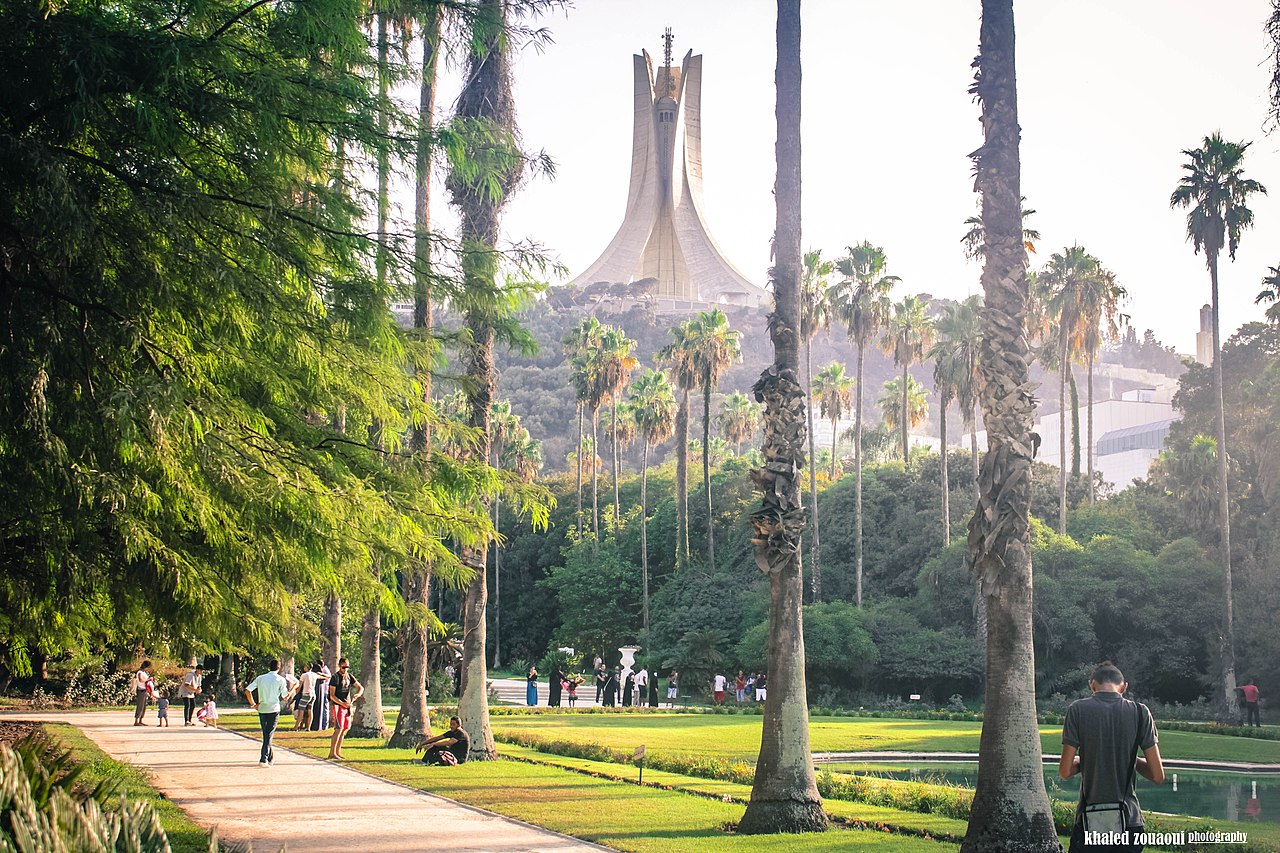
Photo: Evon2023 · CC BY-SA 4.0
Sudan is in Northern Africa, Africa, with Khartoum as its capital. Use this guide for trip planning — best time, budget ranges, cities and practical tips.
This Sudan travel guide covers the best time to visit, top cities, sample routes, budget ranges and how to travel to Sudan — including visa requirements.
Most first-time trips to Sudan work in 7–10 days: fly into Khartoum, then move only as far as your energy allows. A practical first loop is Khartoum → Khartoum North → Omdurman → Kassala → Port Sudan → Nyala. Mid-range travellers typically budget $35–100 per person per day on the ground (flights extra). Best time: The dry season offers the best wildlife viewing and travel comfort. This route, cost band and city shortlist are Global Itinerary’s own planning layer — not a copy of another guidebook.
Capital
Khartoum
Population
41.8M
Currency
SDG · Sudanese pound (SDG)
Languages
Arabic, English
Timezone
Africa/Khartoum · UTC+02:00
Calling code
+249
Sudan has a rich history shaped by its position in Africa and the cultures of Northern Africa, leaving a legacy visible in its landmarks, cities and traditions today.
Culture in Sudan is expressed through its food, festivals, music and daily rhythms — a warm invitation to experience local life first-hand.
Sudanese travel visas are expensive and difficult to acquire for some nationalities in some countries or for people with an Israeli stamp in their passport. It is advisable to obtain a Sudanese visa in your home country if possible.
The currency of the country is the Sudanese pound (Arabic: جنية jeneh, ISO currency code: SDG). The pound is divided into 100 piastres (coins). The "G" in the currency code stands for "guinea". The pound was introduced in 2007, to replace the Sudanese dinar (Arabic: دينار dinar, SDD). The pound is worth 100 old dinars.
Apart from Khartoum, there are small airports in Wadi Halfa, El Debba, Dongola, Port Sudan, El Fasher, Wad Madani, Merowe and El Obeid, all served by Sudan Airways. Most flights operate from Khartoum. Be prepared for changing timetables and cancelled flights.
The official languages of Sudan are Arabic and English. For most Sudanese people, Arabic is their first language, and English is normally their second language. The local vernacular is Sudanese Arabic, which is somewhat similar to the Arabic spoken in Saudi Arabia.
Safety in Sudan has many dimensions. On one hand, theft is almost unheard of, you'll never be robbed in the street and people will go to great lengths to ensure your well-being. On the other hand, Sudan has a long history of conflict, the government is not particularly open or accountable, and under the surface corruption is rife.
Sudan is a malarial region, so be especially cautious during the rainy season. Poisonous snakes, spiders and scorpions are common in the southern areas. Be cautious when drinking water. Make sure you choose bottled water, or use purifying tablets. Also, avoid any fruit drinks, as they are obviously made with the local water. And remember, that any ice cubes (for example, in sodas) are only frozen local water.
Internet and telephone services remain unreliable and may be blocked or suspended at short notice (Apr 2022).
Telephone
Sudan's international direct dialling code is 249. Its international direct dialling access code is 00 although mobile phone users in Sudan will be able to dial overseas numbers by putting "+" in front of the country code.
In general, the Sudanese are hospitable, sociable people. They consider it shameful to give someone a poor welcome, so you can expect to be treated with immense respect as a tourist.
Basic etiquette
Always use your right hand when shaking hands, bringing something to someone, and so on. The left hand is considered unclean in Sudan. It would be considered impolite to use your left hand to offer something to someone.
Practical guidance for Sudan is summarised from Wikivoyage (CC BY-SA). Always confirm official visa, health and safety requirements before you travel.
Estonian rival to Uber, typically 10–20% cheaper; also e-scooters and bikes.
Yandex's international brand — cheap cars across Africa and the Middle East.
Name your own fare and let nearby drivers accept or counter — great for tight budgets.
Ride-hailing coverage varies here — check whether these apps are live in your city before relying on them.
Local prepaid SIM
Buy a tourist SIM from an official operator kiosk at the airport (bring your passport) — usually the cheapest data.
eSIM (Airalo / Holafly) lets you get online the moment you land — handy if you don't want to queue for a SIM.
Prices and app coverage change often — figures are indicative for 2026, so confirm the current tourist plan in the app or at the airport kiosk.
A suggested loop connecting Sudan's major cities by proximity — a practical order for a multi-city trip.
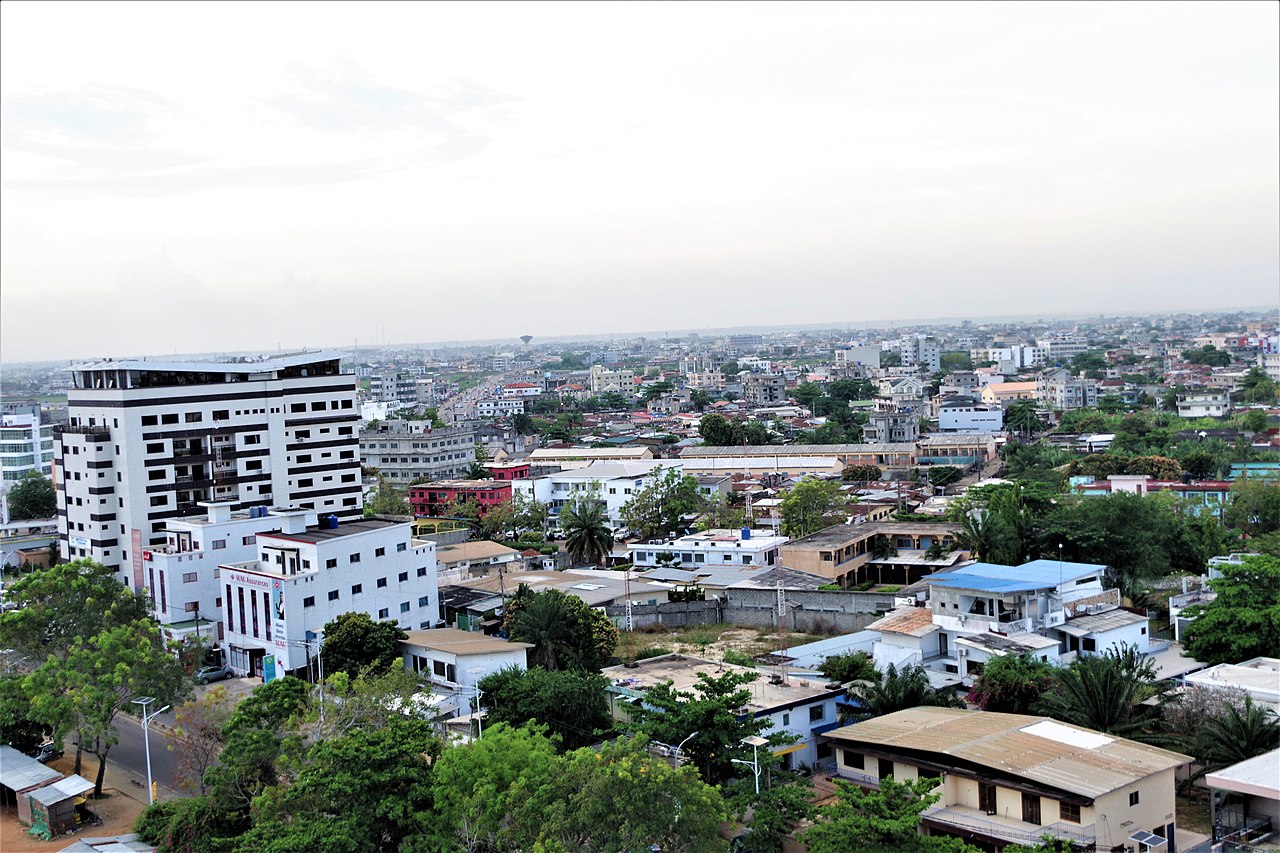
Photos: Evon2023, عاصم الرشيد التوم, Bertramz — via Wikimedia Commons
Typical mid-range for Sudan
Estimated total (USD)
$1,935
≈ $968 per person · $276 per day group total
Ground costs ≈ $70/person/day (lodging + food + transport + activities)
Defaults match Sudan's mid-range daily budget ($35–100 per person on the ground). Flights are a separate estimate and vary by origin.
The capital of Sudan is Khartoum.
The dry season offers the best wildlife viewing and travel comfort.
Yes — travellers visit Sudan for its landscapes, cities and culture. Start with Khartoum, then explore the top regions on this Sudan travel guide for a realistic itinerary.
Visa rules for Sudan depend on your passport — use the visa checker on this site for a nationality-specific answer. Use our Sudan visa checker for rules by nationality before you book flights.
Budget roughly $35–100 per person per day for mid-range travel in Sudan, not including long-haul flights. Costs vary by season and how much you move between cities.
Check current travel advice for Sudan before you go.