What is the capital of Uganda?
The capital of Uganda is Kampala.

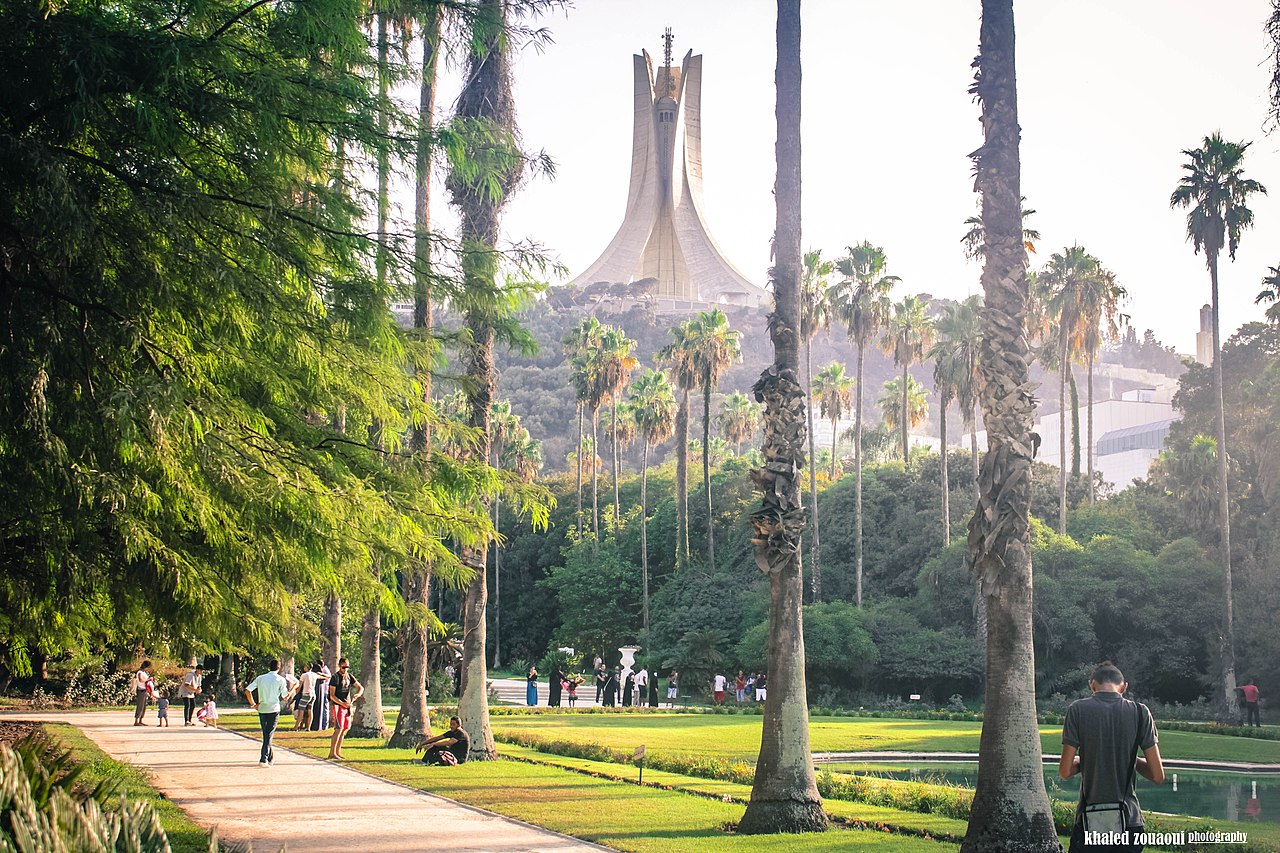
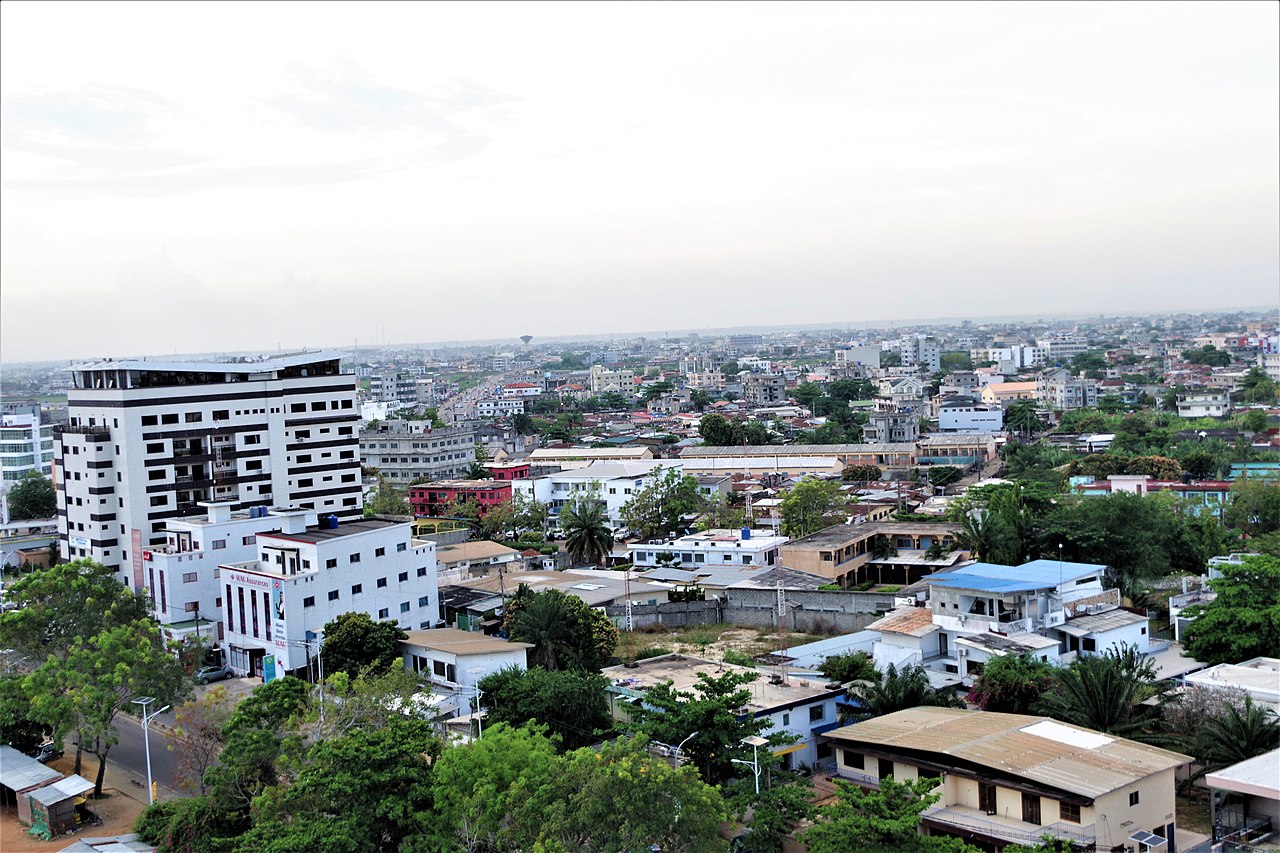
Photo: Chapelle musa · CC BY-SA 4.0
Travel to Uganda for gorilla trekking, Murchison Falls and a growing coffee-and-city scene in Kampala. This Uganda travel guide outlines seasons, safari logistics and practical tips for an Uganda visit.
This Uganda travel guide covers the best time to visit, top cities, sample routes, budget ranges and how to travel to Uganda — including visa requirements.
Most first-time trips to Uganda work in 7–10 days: fly into Kampala, then move only as far as your energy allows. A practical first loop is Kampala → Bunamwaya → Kyengera → Nansana → Kira → Entebbe. Mid-range travellers typically budget $80–250 per person per day on the ground (flights extra). Best time: June–September and December–February drier windows for parks and trekking. This route, cost band and city shortlist are Global Itinerary’s own planning layer — not a copy of another guidebook.
Capital
Kampala
Population
42.7M
Currency
UGX · Ugandan shilling (UGX)
Languages
English, Swahili
Timezone
Africa/Kampala · UTC+03:00
Calling code
+256
Uganda has a rich history shaped by its position in Africa and the cultures of Eastern Africa, leaving a legacy visible in its landmarks, cities and traditions today.
Culture in Uganda is expressed through its food, festivals, music and daily rhythms — a warm invitation to experience local life first-hand.
June–September and December–February drier windows for parks and trekking
Visa requirements
Ugandan visas are issued online at visas.immigration.go.ug or at embassies and High Commissions. The Uganda Visa Policy uses the principle of reciprocity: those who hold passports of countries that require visas for Ugandans must get visas to visit Uganda.
The national currency is the Ugandan shilling, sometimes written as "USh" or "Shs" (ISO code: UGX). You'll also see this notation: 5,000/-. There are banknotes in denominations of USh1000-, 2000-, 5000-, 10,000-, 20,000 and 50,000 and coins in denominations of USh50-, 100-, 200 and 500 (10, 5, and 1-, 5 and 10 shillings coins but are rarely used). Do not accept banknotes from the 1987 series of notes: they are not valid, and you cannot exchange them at banks.
In Kampala and some other towns, the boda-boda is a good way to get from place to place. These are small mopeds, motorcycles, bicycles or scooters with cushions on the back and are cheap transport as used by locals. If using a boda-boda, be extremely careful as they are frequently involved in accidents; however, in spite of this, they are a fun and fast way to get around. If you advise the driver that you want him to drive slower and safer, he may actually listen to you.
English is widely spoken as the lingua franca, though to varying degrees of fluency. British English is used by the most educated, but Ugandan English often takes on a life of its own. Dozens of African languages are spoken in Uganda, the most common being Luganda, which is almost universally understood in Kampala. Swahili may come in handy in places, especially the North and East. Although many Ugandans do not speak Swahili at all, it is a common trade language that has become another lingua fr…
Uganda has been home to some of the more gruesome atrocities in modern African history since its independence in 1962, particularly under the heinous dictator Idi Amin, but in the years since 1987 things have consistently improved. Today, Uganda is stable after 30 years of stereotypically 'strong man' rule by Yoweri Museveni. Kampala has changed into a major centre of East African trade.
The healthcare system is incredibly underdeveloped and is well below western standards. The HIV/AIDS infection rate is very high (although it is lower than in neighbouring countries). Do not have unprotected sex.
Mobile phone network coverage is available in most parts of the country (over 80%), but geography can cause trouble in the mountainous regions. SIM cards are cheaply available everywhere in 'starter packs' but need to be registered before use.
Uganda has a fairly conservative Christian/Muslim-based society. It is generally not considered acceptable for women to wear skimpy clothing or to overtly display their sexuality. The only exception is in certain night life situations in Kampala. Most Ugandans go to church/mosque regularly and consider religion an important part of a moral society.
Practical guidance for Uganda is summarised from Wikivoyage (CC BY-SA). Always confirm official visa, health and safety requirements before you travel.
Estonian rival to Uber, typically 10–20% cheaper; also e-scooters and bikes.
App-based cars with upfront fares — usually the cheapest metered ride in big cities.
Helmeted, metered boda-boda motorbikes.
SafeBoda (helmeted boda-boda bikes) is cheap and safer than street bikes.
MTN / Airtel
Cheap prepaid SIMs with data.
eSIM (Airalo / Holafly) lets you get online the moment you land — handy if you don't want to queue for a SIM.
Prices and app coverage change often — figures are indicative for 2026, so confirm the current tourist plan in the app or at the airport kiosk.
A suggested loop connecting Uganda's major cities by proximity — a practical order for a multi-city trip.
Photos: Chapelle musa, Christopher Liberty, Tonny Mpagi, unknown, but since this is a postcard image, it was created and published in Uganda, Ssemmanda will — via Wikimedia Commons
Typical mid-range for Uganda
Estimated total (USD)
$2,915
≈ $1,458 per person · $416 per day group total
Ground costs ≈ $165/person/day (lodging + food + transport + activities)
Defaults match Uganda's mid-range daily budget ($80–250 per person on the ground). Flights are a separate estimate and vary by origin.
The capital of Uganda is Kampala.
The dry season offers the best wildlife viewing and travel comfort.
Yes — travellers visit Uganda for its landscapes, cities and culture. Start with Kampala, then explore the top regions on this Uganda travel guide for a realistic itinerary.
Visa rules for Uganda depend on your passport — use the visa checker on this site for a nationality-specific answer. Use our Uganda visa checker for rules by nationality before you book flights.
Budget roughly $80–250 per person per day for mid-range travel in Uganda, not including long-haul flights. Costs vary by season and how much you move between cities.
Follow park rules and current advisories; use registered gorilla-permit operators.