

What is the capital of Zambia?
The capital of Zambia is Lusaka.
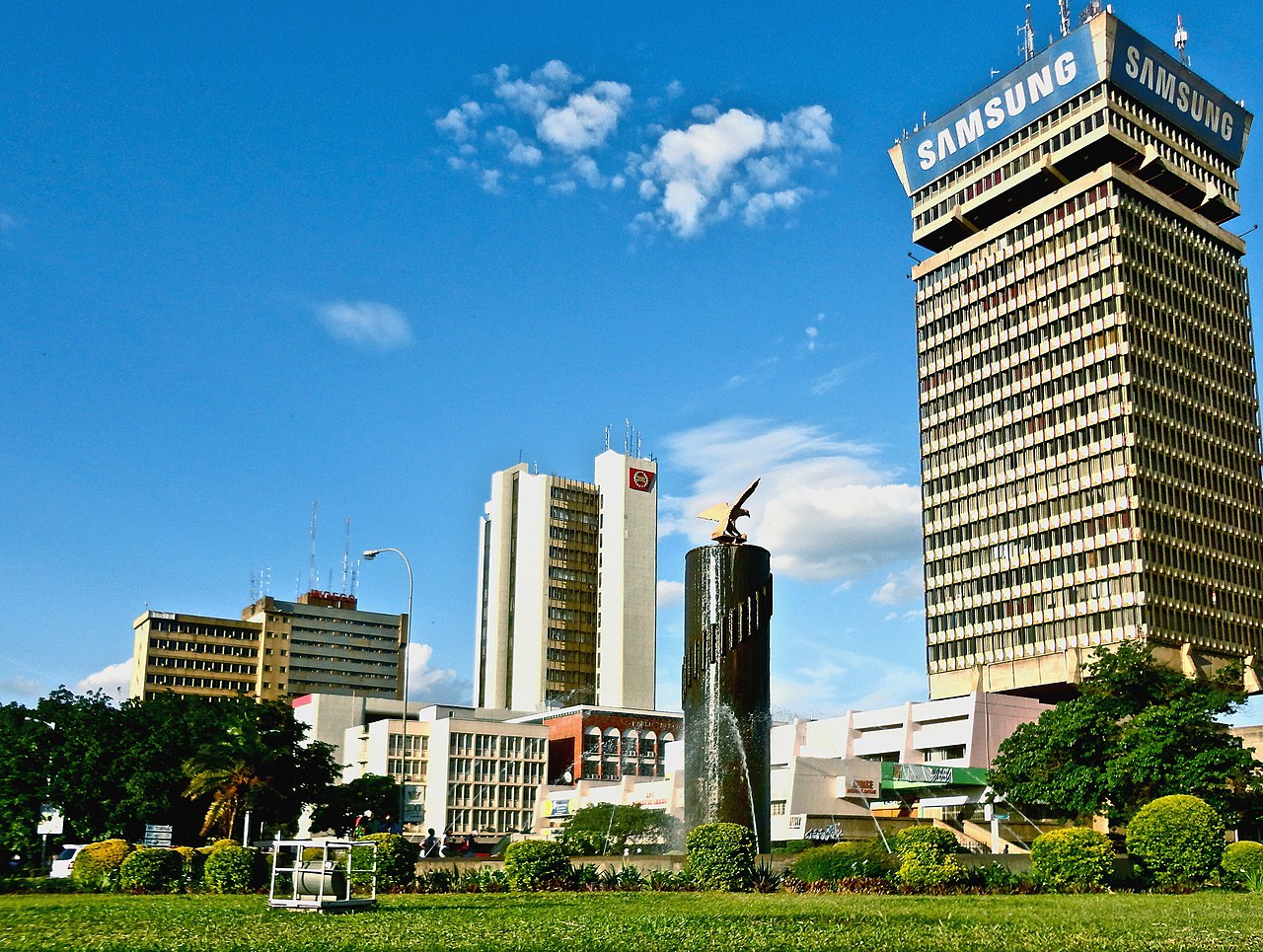
Photo: Matthew Grollnek · CC BY-SA 4.0
Zambia is in Eastern Africa, Africa, with Lusaka as its capital. Use this guide for trip planning — best time, budget ranges, cities and practical tips.
This Zambia travel guide covers the best time to visit, top cities, sample routes, budget ranges and how to travel to Zambia — including visa requirements.
Most first-time trips to Zambia work in 7–10 days: fly into Lusaka, then move only as far as your energy allows. A practical first loop is Lusaka → Kabwe → Ndola → Kitwe → Solwezi → Livingstone. Mid-range travellers typically budget $35–110 per person per day on the ground (flights extra). Best time: The dry season offers the best wildlife viewing and travel comfort. This route, cost band and city shortlist are Global Itinerary’s own planning layer — not a copy of another guidebook.
Capital
Lusaka
Population
17.4M
Currency
ZK · Zambian kwacha (ZMW)
Languages
English
Timezone
Africa/Lusaka · UTC+02:00
Calling code
+260
Zambia has a rich history shaped by its position in Africa and the cultures of Eastern Africa, leaving a legacy visible in its landmarks, cities and traditions today.
Culture in Zambia is expressed through its food, festivals, music and daily rhythms — a warm invitation to experience local life first-hand.
Most Western visitors no longer need a visa to enter Zambia. Visa-free entry is also possible for some nationalities, including Malaysia, Singapore, Zimbabwe and South Africa. See the immigration department's web-site for the full list of visa-exempt nationalities. Current visa prices for anyone that needs a visa are US$50 for a single-entry and US$80 for a multiple-entry visa for all nationalities and is valid for 3 months;
The currency of Zambia is the kwacha – meaning "sunrise," so-named to celebrate Zambia's independence – denoted by the symbol ZK (ISO code: ZMW). The currency was re-denominated (dropping the last three zeros) in 2013, but you can occasionally receive change in both the new re-based currency and the old currency.
Zambia is large and distances long, so budget plenty of time for getting around.
By plane
Domestic flights on Proflight connect Zambia's major cities and tourist destinations. While undoubtedly the fastest and most comfortable way of getting around, they are quite expensive with an hour-long flight (say, Lusaka-Mfuwe) typically costing around US$150 one-way. Also note that planes are small and schedules sparse, but if you can rustle up enough people you can also charter planes for not much more.
Thanks to its former colonial status, English is Zambia's official language and the language most often spoken in schools, on the radio, in government offices, etc. However, there are over 70 different Bantu languages (including dialects) spoken throughout the country, the most important of which are:
Women should avoid going to bars alone. Furthermore, men should avoid purchasing drinks for Zambian women they meet casually in bars; this is an invitation to spend the night. There is a 10PM curfew throughout most of the country. Avoid being found on the street after 10PM or risk being arrested.
Drinking tap water in the cities is potentially risky, unless either (a) you have a strong stomach, or (b) you are at a restaurant or hotel that caters to foreigners. If neither of these conditions apply to you, you should probably stick with the bottled stuff, boiled water or chlorine tablets. Check bottles of water to make sure that they are sealed, as some local "bottled" water could be simply tap water poured into a used bottle.
By mail
The Zambian mail service is slow and a little flaky (especially outside Lusaka), but not completely hopeless. Using a private courier service is still recommended if sending something important.
Zambians follow a strict patriarchal society – men are afforded more respect than women, and older men are respected more than younger men. However, you might find that a white person, of either gender and any age, is granted the most respect of all. A holdover from colonial times, this might make a traveller uncomfortable, but this is largely a Zambian's way of being courteous. Accept their hospitality.
Practical guidance for Zambia is summarised from Wikivoyage (CC BY-SA). Always confirm official visa, health and safety requirements before you travel.
Estonian rival to Uber, typically 10–20% cheaper; also e-scooters and bikes.
Yandex's international brand — cheap cars across Africa and the Middle East.
Name your own fare and let nearby drivers accept or counter — great for tight budgets.
Ride-hailing coverage varies here — check whether these apps are live in your city before relying on them.
Local prepaid SIM
Buy a tourist SIM from an official operator kiosk at the airport (bring your passport) — usually the cheapest data.
eSIM (Airalo / Holafly) lets you get online the moment you land — handy if you don't want to queue for a SIM.
Prices and app coverage change often — figures are indicative for 2026, so confirm the current tourist plan in the app or at the airport kiosk.
A suggested loop connecting Zambia's major cities by proximity — a practical order for a multi-city trip.
Photos: Matthew Grollnek, Mike Rosenberg from London, England, User:Vberger, Dz217, Mac H. Alford — via Wikimedia Commons
Typical mid-range for Zambia
Estimated total (USD)
$1,935
≈ $968 per person · $276 per day group total
Ground costs ≈ $70/person/day (lodging + food + transport + activities)
Defaults match Zambia's mid-range daily budget ($35–110 per person on the ground). Flights are a separate estimate and vary by origin.
The capital of Zambia is Lusaka.
The dry season offers the best wildlife viewing and travel comfort.
Yes — travellers visit Zambia for its landscapes, cities and culture. Start with Lusaka, then explore the top regions on this Zambia travel guide for a realistic itinerary.
Visa rules for Zambia depend on your passport — use the visa checker on this site for a nationality-specific answer. Use our Zambia visa checker for rules by nationality before you book flights.
Budget roughly $35–110 per person per day for mid-range travel in Zambia, not including long-haul flights. Costs vary by season and how much you move between cities.
Check current travel advice for Zambia before you go.